 By Admin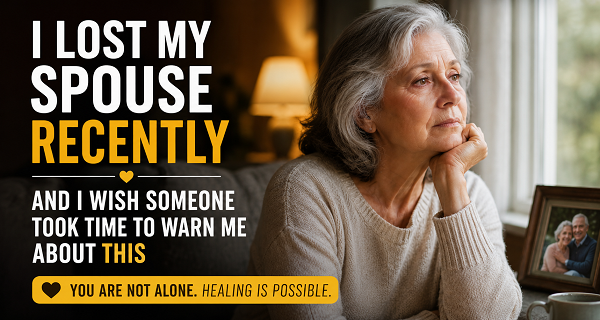
Nothing truly prepares you for losing the person you’ve shared your life with.
Friends and family often offer comforting words, but there are many parts of grief that no one talks about. The silence in the house feels different. Everyday routines suddenly become overwhelming. Even simple tasks like grocery shopping or making coffee can remind you of the life you once shared.
If you’ve recently lost your husband or wife, you’re not alone. Millions of people experience this heartbreaking journey, and while everyone’s grief is unique, many share similar emotions.
Here are some of the things many widows and widowers wish they had known.
1. Grief Doesn’t Follow a Timeline
One of the biggest misconceptions is that grief should disappear after a few months.
The truth is that grief changes over time—it doesn’t simply end.
Some days you’ll feel almost normal, while other days a song, a familiar scent, or an old photograph may bring back overwhelming emotions.
Healing isn’t about forgetting your spouse. It’s about learning how to carry their memory while continuing to live your life.
2. People Stop Checking In Sooner Than You Expect
During the first few weeks, family and friends often call or visit frequently.
As time passes, life moves on for others.
That doesn’t mean they no longer care. Many simply don’t know what to say or assume you’re doing better.
Don’t hesitate to reach out if you need company. Most people are happy to help—they just aren’t sure when you need it.
3. Loneliness Can Feel Different Than You Imagine
Missing your spouse isn’t just about missing conversations.
It’s missing:
- Eating dinner together
- Watching television side by side
- Hearing someone say “Good morning”
- Having someone ask about your day
- Sharing everyday moments
These quiet routines often become the hardest part of grief.
4. Your Emotions May Surprise You
Grief isn’t only sadness.
You may also experience:
- Anger
- Guilt
- Anxiety
- Fear about the future
- Relief after a long illness
- Confusion
- Exhaustion
All of these feelings are common.
There is no “right” way to grieve.
5. It’s Okay to Laugh Again
Many people feel guilty the first time they genuinely laugh after losing a spouse.
They worry they’re somehow forgetting the person they loved.
You’re not.
Finding moments of happiness doesn’t erase love or memories.
Your spouse would likely want you to continue living—not just surviving.
6. Taking Care of Yourself Matters
Grief can affect both emotional and physical health.
Try to remember the basics:
- Eat nutritious meals.
- Stay hydrated.
- Get enough sleep.
- Go for short walks.
- Keep medical appointments.
- Stay connected with loved ones.
Small daily habits can make a meaningful difference over time.
7. Asking for Help Is a Sign of Strength
You don’t have to face grief alone.
Many people find comfort through:
- Grief support groups
- Faith communities
- Professional counselors
- Trusted friends and family
- Volunteer organizations
Sometimes simply talking with someone who understands can ease the burden.
Finding Hope After Loss
Life will never be exactly the same after losing a spouse.
But that doesn’t mean joy, purpose, or peace are gone forever.
Many widows and widowers eventually discover new friendships, meaningful hobbies, volunteer work, travel, or simply a renewed appreciation for life’s small moments.
Healing happens one day at a time.
Final Thoughts
If you’ve recently lost your spouse, be patient with yourself.
There is no deadline for healing.
Take each day as it comes, celebrate small victories, and allow yourself to grieve in your own way.
Love doesn’t end when someone dies.
The memories remain, the lessons stay with us, and the bond you shared will always be part of who you are.
Frequently Asked Questions
How long does grieving a spouse last?
Grief is different for everyone. While the intensity often softens over time, many people continue to miss their spouse for years. Healing is a gradual process, not a fixed timeline.
Is it normal to feel guilty after losing a spouse?
Yes. Many people experience guilt, even when they have done nothing wrong. Talking with a counselor or support group can help process these feelings.
When should I seek professional help?
If grief begins interfering with daily life for an extended period, or you feel persistently overwhelmed, hopeless, or unable to function, speaking with a healthcare provider or licensed mental health professional is a good idea.
Disclaimer: This article is intended for informational purposes only and is not a substitute for professional medical or mental health advice. If grief becomes overwhelming or significantly affects your daily life, consider seeking guidance from a qualified healthcare professional.