 By Admin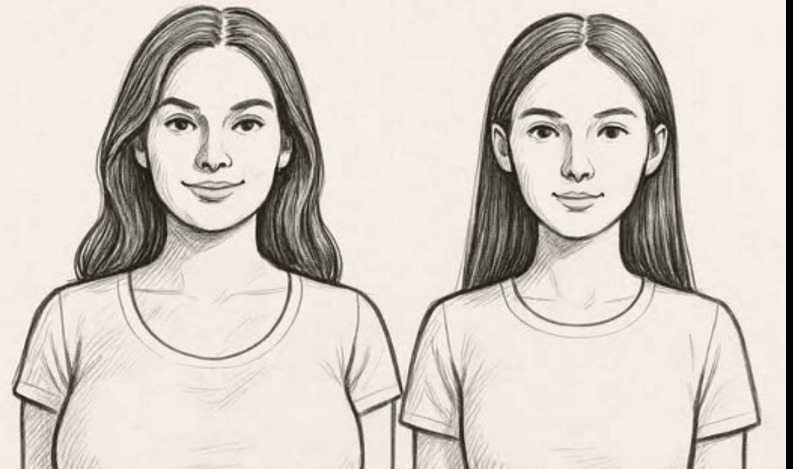
For decades, women have heard the same claim repeated over and over again: that breast size is a clear sign of hormone levels. According to this popular belief, smaller breasts mean a woman has low estrogen, while larger breasts supposedly indicate high hormone levels and greater fertility. It’s a story that has been passed from one generation to the next—but medical experts say it simply isn’t true.
In reality, breast size has very little to do with your current hormone levels. While hormones play an important role during puberty, they are only one small piece of a much larger puzzle. Genetics, body composition, age, and natural life changes have a far greater influence on breast size than most people realize.
Where the Myth Comes From
The confusion begins during puberty. As girls develop, estrogen triggers the growth of breast tissue, while progesterone supports further development. Because hormones are responsible for this early growth, many people mistakenly assume that breast size continues to reflect hormone levels throughout adulthood.
It doesn’t.
Once breast development is complete, breast size is no longer a reliable indicator of estrogen production. Two women can have completely different breast sizes while having virtually identical hormone levels and perfectly healthy reproductive systems.
Genetics Are the Biggest Factor
According to medical experts, genetics are the strongest predictor of breast size.
If your mother, grandmother, or sisters naturally have smaller or larger breasts, there’s a good chance you’ll inherit similar characteristics. Your DNA plays a much bigger role than your hormone levels ever will.
Body fat also makes a significant difference.
Since breasts contain a large amount of fatty tissue, gaining or losing weight can noticeably change their size without affecting hormone production at all. This is why many women experience changes in breast fullness after weight fluctuations, even though their hormone levels remain perfectly normal.
Why Breast Size Changes Throughout Life
Breasts naturally change over time.
Pregnancy, breastfeeding, aging, menopause, and monthly menstrual cycles can all affect how breasts look and feel. Many women notice temporary swelling, tenderness, or fullness before their period because of normal hormonal fluctuations.
These temporary changes are completely normal and shouldn’t be mistaken for signs of hormonal problems.
What Actually Signals a Hormonal Imbalance?
Doctors emphasize that hormone disorders rarely reveal themselves through breast size alone.
Instead, real hormonal imbalances usually come with several noticeable symptoms, including:
- Irregular or missed menstrual periods
- Persistent breast pain
- Milky nipple discharge when not pregnant or breastfeeding
- Excessive facial hair growth
- Severe adult acne
- Hot flashes before menopause
- Difficulty becoming pregnant
- Unexplained fatigue or sudden weight changes
If these symptoms continue, it’s important to speak with a healthcare professional rather than relying on assumptions based on appearance.
Focus on Breast Health Instead
Specialists encourage women to become familiar with what is normal for their own bodies.
Regular self-awareness makes it much easier to notice unusual changes that deserve medical attention. You should contact your healthcare provider if you notice:
- A new lump that doesn’t disappear
- Skin dimpling or thickening
- Persistent redness or swelling
- Nipple inversion that wasn’t present before
- Unusual nipple discharge
- Ongoing pain in one area of the breast
Routine screenings, regular checkups, and prompt medical evaluation remain the best ways to protect long-term breast health.
The Bottom Line
Despite what many people still believe, breast size cannot tell you whether your hormones are balanced.
Most differences in breast size are determined by genetics, body fat distribution, age, pregnancy, and other natural life changes—not by estrogen levels alone.
If you’re concerned about your hormonal health, don’t judge it by what you see in the mirror. Pay attention to real symptoms, maintain regular medical checkups, and seek advice from a qualified healthcare professional when something doesn’t feel right.
Your body is far more complex than any old myth can explain.