 By Admin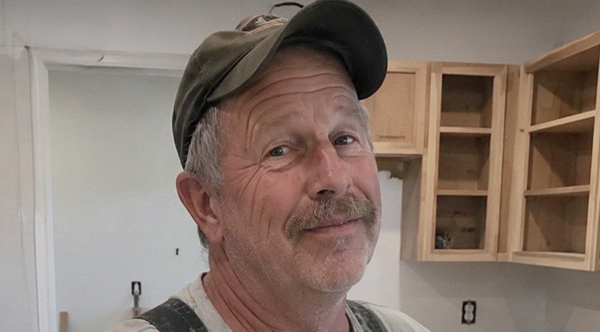
My grandpa Frank has been a finish carpenter for almost 50 years.
He’s the kind of craftsman who will drive back to a job because a cabinet door is sitting just an eighth of an inch too low.
At this point, he barely advertises.
Most of his work comes from people recommending him to friends, neighbors, and relatives.
His reputation has always been his best advertisement.
A few months ago, a wealthy couple hired him to renovate the downstairs of their newly remodeled home.
They wanted custom cabinets, floor-to-ceiling shelving, and a huge window bench.
It was a big project.
And the clients were exhausting.
They changed the cabinet handles twice.
They asked him to rebuild a shelf because they suddenly wanted it three inches higher.
Then, after Grandpa had already purchased the materials, they changed their minds about the stain.
Every change was approved.
Every measurement was checked.
Every additional expense was written down.
That last part mattered because Grandpa is almost obsessive about paperwork.
He keeps folders containing receipts, change orders, signatures, dates, and every little detail of a project.
My grandmother used to joke that Grandpa had better records for cabinet hinges than most people had for their taxes.
But that’s just how he works.
He believes that if you do something, you do it properly.
By the final week, the downstairs looked incredible.
The cabinets stretched perfectly across the walls.
The shelves framed the fireplace from floor to ceiling.
And the window bench ran almost the entire length of the back wall, complete with drawers underneath and a custom cushion.
I stopped by one afternoon while Grandpa was finishing the final trim.
Even I had to admit it looked amazing.
The wife, Melissa, walked through the room taking photographs.
“This is exactly what I wanted,” she said.
Her husband, Grant, looked around approvingly.
“Looks great.”
Grandpa smiled.
After months of changes, complaints, and revisions, it finally seemed like the job was over.
Except it wasn’t.
The following afternoon, Grandpa called me.
“You’re not going to believe what these people just tried.”
I was at work.
“What happened?”
“They don’t want to pay me.”
I assumed he meant they were questioning one of the change orders.
“How much?”
“Six thousand two hundred dollars.”
I nearly dropped my phone.
“What?”
The homeowners had walked through the finished room again.
They complimented everything.
They took more pictures.
Then Grant pulled Grandpa aside.
He told him they’d gone over their renovation budget and simply weren’t going to pay the remaining $6,200.
Grandpa thought he was joking.
He wasn’t.
“Did you show him the contract?” I asked.
“Of course.”
“And?”
“He shrugged.”
The fact that Grandpa sounded so calm worried me more than if he’d been furious.
“What exactly did he say?”
Grandpa paused.
Then he repeated it.
“You’re one old carpenter working by yourself. What are you really going to do about it?”
I felt my blood boil.
“He actually said that?”
“Pretty close.”
“Pretty close?”
“He said ‘older carpenter.’ I’m improving the quote for dramatic effect.”
“Grandpa.”
“Fine. He said old.”
I could picture the whole scene.
A wealthy couple standing inside their expensive house, looking at a craftsman who had just spent weeks building exactly what they asked for.
And apparently, they thought being wealthy meant they could simply decide not to pay.
Then Grandpa told me what Melissa had said.
She had been standing nearby, sipping coffee while the two men talked.
When Grandpa reminded them that the work had been completed and accepted, Melissa smiled.
“Everything’s already installed. It’s not like you can take it back.”
That sentence changed everything.
Grandpa is normally one of the least confrontational people you’ll ever meet.
He once apologized to a waitress because she brought him the wrong breakfast.
But this time, he didn’t argue.
He didn’t raise his voice.
He didn’t threaten anyone.
He simply stood there.
He looked at the cabinets.
Then the shelves.
Then the window bench.
And finally, he smiled.
“Okay.”
Grant actually laughed.
He apparently thought Grandpa had surrendered.
Grandpa calmly packed his tools.
He swept the work area.
Then he pulled one final sheet of paper from his folder.
I asked him later what it was.
“A completion acknowledgment.”
“A what?”
“A document confirming that the job was finished, that they had inspected it, that they had no complaints about the workmanship, and that they were refusing to pay the remaining balance.”
“You had that ready?”
“I keep templates.”
Of course he did.
Grandpa handed it to them.
Grant barely looked at it.
Melissa asked whether signing it meant Grandpa would stop bothering them.
He told her the document simply recorded their position.
They both signed.
Neither of them apparently bothered to read the entire thing.
Melissa even smiled afterward.
“See? That was much easier than making this ugly.”
Grandpa came home that evening looking strangely cheerful.
I went over after work expecting him to be furious.
Instead, he opened the refrigerator, grabbed a beer, and sat down.
“Why are you smiling?”
He took a drink.
“Because tomorrow morning, they’re going to understand why I needed their signatures.”
I stared at him.
“What are you going to do?”
“Nothing illegal.”
“That is not comforting.”
He laughed.
“Go home.”
“Grandpa.”
“Seven forty-five tomorrow morning. Just make sure your phone is on.”
At 7:46 the next morning, my phone rang.
It was Grandpa.
I answered immediately.
“Where are you?”
“Their driveway.”
“Why?”
Then he told me who was standing beside him.
“David.”
I sat straight up.
David was his attorney.
“And Tommy.”
“Tommy who?”
“My old apprentice.”
I was already grabbing my keys.
“What are you doing?”
“Come see.”
When I arrived, there were four vehicles in the driveway.
Grandpa’s truck.
A black sedan I assumed belonged to David.
Tommy’s work van.
And a white SUV I didn’t recognize.
Grandpa stood near the porch wearing his usual work clothes.
David stood beside him holding a leather folder.
Tommy leaned against his van, drinking coffee.
I got out of my car.
“What is happening?”
Grandpa smiled.
“Morning. I was wondering how long you’d take.”
“That is not an answer.”
Tommy grinned.
“You’re about to enjoy yourself.”
Tommy had worked for Grandpa almost 20 years earlier.
Back then, he was a skinny 19-year-old who could barely cut crown molding without swearing.
Now he owned one of the biggest residential carpentry companies in the county.
“What are you doing here?” I asked.
He pointed toward the house.
“They called me yesterday about another job upstairs.”
I blinked.
“They refused to pay Grandpa and then called his old apprentice?”
“They didn’t know.”
Grandpa smiled.
“I taught him everything except modesty.”
Tommy ignored him.
“I recognized the address.”
That explained Tommy.
But I still didn’t understand why David was there.
I looked at the attorney.
“And you?”
He lifted the leather folder.
“Paperwork.”
Grandpa had called David almost immediately after leaving the house the previous afternoon.
Not because he was looking for revenge.
Not because he wanted to start a fight.
He wanted to know exactly what his legal options were if the couple refused to pay.
David reviewed the contract.
Everything was in order.
The original agreement.
The approved changes.
The invoices.
The payment schedule.
The documentation.
Grandpa hadn’t been careless.
He hadn’t relied on a handshake.
He had documented everything.
He knew exactly where he stood.
“So what happens now?” I asked.
David looked toward the house.
“That depends on them.”
Before he could explain, another car pulled onto the street.
The white SUV suddenly made sense.
A woman stepped out carrying a tablet and a large tote bag.
A second vehicle pulled up behind her.
A man got out carrying a camera bag.
I looked at Grandpa.
“Who are they?”
He smiled.
“That’s why we’re here early.”
The woman walked toward the front door.
Grant opened it before she reached the steps.
He was dressed in expensive-looking slacks and a polo shirt.
Melissa appeared behind him.
Then they both saw Grandpa.
Grant froze.
“What are you doing here?”
Grandpa glanced at the woman with the tablet.
“Morning. Looks like we all got an early start.”
The woman’s face brightened.
“Oh! You must be Frank.”
Grant looked at her.
“You know him?”
She smiled.
“Of course. I’ve seen the built-ins. They’re gorgeous.”
Grandpa nodded politely.
“Thank you.”
Melissa’s expression changed.
And suddenly, I understood.
They were preparing to sell the house.
The woman was their real estate agent.
The man with the camera was there to photograph the property.
Grant stepped off the porch.
“Frank, I thought we were done.”
Grandpa nodded.
“So did I.”
Grant looked at David.
“Who is this?”
“My attorney.”
That erased the smile from Grant’s face.
Melissa stepped forward.
“Why do you have an attorney?”
David opened his folder.
“Because Mr. Wilson has an unpaid balance for completed work on this property.”
Grant’s jaw tightened.
“We have a dispute.”
Grandpa shook his head.
“No. We don’t.”
“Yes, we do.”
“About what?”
“The bill.”
Grandpa looked at him calmly.
Then he said:
“You signed yesterday that the work was completed, accepted, and that you had no complaints about the workmanship.”
Grant stared at him.
Melissa’s eyes widened.
“That isn’t what that paper said.”
David calmly pulled out a copy.
“It is.”
Melissa grabbed it.
She read it.
Her face changed.
Grant snatched the document from her.
“You tricked us.”
Grandpa shook his head.
“I didn’t trick you. I asked you to read it.”
“You said it was paperwork.”
“It was paperwork.”
Grant looked furious.
Then David explained what happened next.
Grandpa was taking the necessary steps to secure his unpaid claim against the property.
Depending on the applicable legal process, that could involve a contractor’s lien or similar remedy.
The exact process would depend on local law, but Grant immediately understood the important part.
An unresolved contractor claim could create a major problem when they tried to sell the house.
His face went pale.
“What lien?”
Grandpa looked toward the house.
Then back at him.
“The one attached to the house you’re trying to sell.”
The real estate agent slowly lowered her tablet.
“Grant?”
He turned toward her.
“This is nothing. Frank’s just trying to scare us.”
David looked at her.
“It’s an unpaid $6,200 balance for completed renovation work.”
She stared at Grant.
“You told me all the contractors had been paid.”
“They have.”
Grandpa raised an eyebrow.
“Except me.”
The silence that followed was brutal.
The agent looked increasingly uncomfortable.
“You can’t list a property without dealing with something like this.”
Grant rubbed his forehead.
“It’s being handled.”
Grandpa nodded.
“That’s why we’re here.”
Then Grant noticed Tommy.
“And why is he here?”
Tommy pushed away from his van.
“You called my office yesterday.”
“For the upstairs renovation?”
“Yes.”
“We had an appointment at ten.”
“We did.”
“Then why are you here with him?”
Tommy looked at Grandpa.
“He trained me.”
Grant frowned.
“What does that have to do with our quote?”
“Everything.”
“Are you refusing the job?”
“Yes.”
Melissa stared at him.
“Why?”
Tommy shrugged.
“I like getting paid.”
I had to bite my cheek to keep from laughing.
Grandpa gave him a look.
Tommy grinned.
“What? It’s true.”
Grant’s voice rose.
“This is ridiculous. You’re all trying to gang up on us.”
Grandpa remained calm.
“No. I’m trying to get paid for work you agreed was completed correctly.”
Melissa crossed her arms.
“You’re doing all this over $6,200?”
Grandpa looked directly at her.
“No.”
He paused.
“You did all this over $6,200.”
And that was the truth.
Yesterday, $6,200 had apparently been small enough for them to refuse to pay an old carpenter.
Now that the unpaid balance could complicate the sale of a house worth well over a million dollars, suddenly that same $6,200 seemed extremely important.
Grant pulled Grandpa aside.
“Come on, Frank. We can work this out.”
Grandpa nodded.
“We could have worked it out yesterday.”
“I’ll give you the $6,200.”
“That’s exactly what you already owed me yesterday.”
Grant looked at David.
“What else does he want?”
David answered calmly.
“Nothing unreasonable.”
There were legitimate costs associated with collecting an unpaid debt.
Attorney time.
Filing preparation.
Administrative expenses.
And, where legally recoverable under the contract and applicable law, certain collection costs.
David had everything itemized.
There were no ridiculous penalties.
No invented fees.
Just documented costs.
Grant looked at the new total.
“$6,814?”
David nodded.
“This morning.”
Grant’s face reddened.
“That’s over six hundred dollars more!”
Grandpa shrugged.
“Yesterday it cost $6,200.”
Melissa turned toward the real estate agent.
“Can they actually do this?”
The agent hesitated.
Then she looked at David.
“I assume you’ll provide the documentation?”
“Of course.”
She turned back toward Melissa.
“Then my recommendation is that you resolve it before we proceed.”
That was the moment Melissa finally stopped looking confident.
Grant disappeared into the house.
Several minutes later, he came back.
“Fine.”
Grandpa shook his head.
“Payment needs to clear.”
Grant glared at him.
“You don’t trust us?”
Grandpa smiled.
“No.”
That one word seemed to hit harder than any argument could have.
A wire transfer was arranged.
David handled the details.
The photographer stood by his car, pretending to be extremely interested in his camera equipment.
The real estate agent made several phone calls.
Tommy finished his coffee.
And I watched Grandpa.
He wasn’t celebrating.
He wasn’t laughing at them.
He wasn’t trying to humiliate anyone.
He simply looked tired.
Once the payment was properly received and everything was documented, David explained the next steps for releasing or withdrawing the claim as appropriate.
Grant looked at Grandpa.
“So we’re done now?”
Grandpa nodded.
“Once everything is finalized.”
Melissa stood on the porch with her arms crossed.
“You could have told us yesterday that you were going to do this.”
Grandpa looked at her.
“I did.”
She frowned.
“When?”
“I told you yesterday that you owed me $6,200.”
“That isn’t what I mean.”
“I know.”
Then Grandpa turned toward his truck.
As we walked away, Grant called after him.
“You really would have caused a problem with our sale over six thousand dollars?”
Grandpa stopped.
He looked back.
“No.”
He paused.
“You caused a problem with your sale over six thousand dollars.”
Then he got into his truck.
I rode with him to breakfast.
For several minutes, neither of us said anything.
Finally, I asked the question I’d been thinking about since yesterday.
“When Melissa said you couldn’t take the cabinets back, why did you smile?”
Grandpa laughed.
“Because she was right.”
“What?”
“I wasn’t going to take them back.”
“Then what were you planning to do?”
He took a sip of coffee.
“I didn’t need the cabinets.”
I stared at him.
“I needed the paperwork.”
He smiled.
“The house gave me leverage. They were selling it. A legitimate unpaid contractor claim against the property was something they couldn’t simply ignore.”
Then he added:
“Technically, I needed their signatures.”
I laughed.
“That sounds more like you.”
Grandpa had learned the importance of paperwork the hard way.
When he was younger, he sometimes let customers pay late.
Sometimes very late.
Once, someone never paid him at all.
He hated confrontation.
My grandmother hated that people took advantage of his kindness.
She used to tell him:
“Frank, being kind doesn’t mean letting people steal from you.”
After she died, Grandpa became almost obsessive about written agreements.
Not because he trusted people less.
Because he finally understood that being a good person didn’t mean making yourself an easy target.
The couple had mistaken his calmness for weakness.
They saw an older man with a tool belt.
One person.
No giant company behind him.
No collections department.
No army of lawyers.
And Grant had actually asked:
“What are you really going to do about it?”
The answer turned out to be simple.
Exactly what Grandpa had spent nearly 50 years learning to do.
Finish the job properly.
Document everything.
And when someone decided his work wasn’t worth paying for, let the paperwork speak.
A few months later, Grandpa called me from another job.
“You’ll appreciate this.”
“What happened?”
“New client.”
“Congratulations.”
“Guess who recommended me.”
I had no idea.
“The real estate agent.”
I laughed.
“The one from Grant’s house?”
“Yep.”
“What did she tell them when she recommended you?”
Grandpa lowered his voice dramatically.
“Apparently, I’m ‘the carpenter who doesn’t leave until the job is done right.’”
“She said that?”
“That’s what they told me.”
I smiled.
“Did she mention the lien?”
Grandpa laughed.
“Apparently, that wasn’t part of the sales pitch.”
Then he told me he had to go because one of the new client’s cabinet doors was sitting wrong.
“How wrong?”
“Maybe an eighth of an inch.”
Of course.
The people who hired him probably had no idea how lucky they were.
Not because Grandpa would fight them if they refused to pay.
But because he was the kind of man who would spend an extra hour fixing something most people would never notice—and still charge exactly what he had agreed to charge.
That’s who he had always been.
His quiet integrity had shaped every job he ever took.
Grant and Melissa’s mistake wasn’t underestimating some hidden, ruthless side of Grandpa.
He doesn’t have one.
They underestimated something much simpler.
A quiet person can still know exactly where the line is.
And once you’ve crossed it, they don’t have to yell.
They don’t have to threaten you.
They don’t have to make a scene.
Sometimes, all they have to do is smile and say:
“Okay.”
And then let the paperwork do the talking.