They Called It Trash Until the Lawyer Called Me First
They Called It Trash Until the Lawyer Called Me First
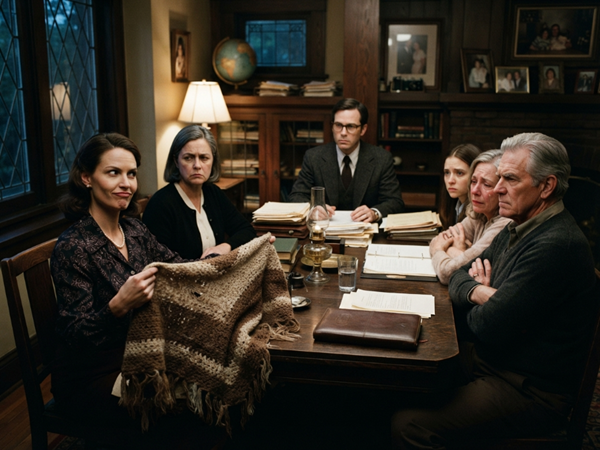
The day the will was read, I sat quietly while everyone else got what they expected. My brother got the house. My cousin got the car. My aunt walked away with the savings account and grandmother’s jewelry box. And me? I got a shawl. Old, thinning at the edges, the kind of thing you’d find folded at the bottom of a donation bin.
My sister Marion laughed before she could stop herself. “That’s it? That’s what she left you?” She held it up between two fingers like it might be contagious. “Guess we know where you ranked.”
I didn’t argue. I just took it, folded it back the way it had been, and drove home in silence.
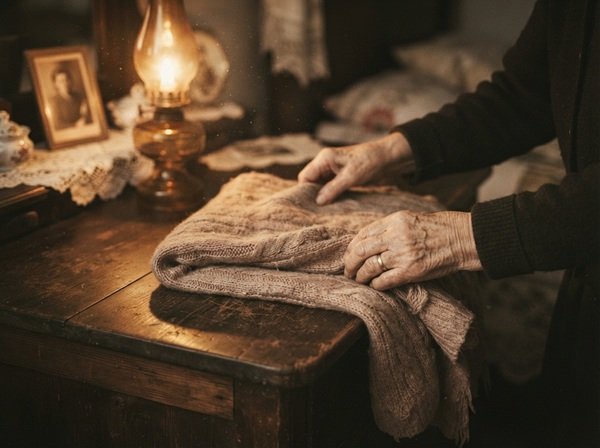
That night I sat on my bed with the shawl in my lap and noticed something I’d missed at the reading — it still smelled faintly of jasmine, the same scent my mother wore every day of my childhood. Holding it, I found myself thinking not just of her, but further back, of my grandmother. A hard woman. Wealthy, sharp-tongued, impossible to please. Most of the family had given up on her years before she died. My mother never did. She showed up every week, managed her medications, sat through her silences and her insults, and never once asked for anything in return.
I hadn’t thought about those years in a long time. The shawl brought them back.
Three weeks passed before my phone rang. It was Marion, and she didn’t sound like herself — no mockery this time, just urgency. She wanted the shawl. Not casually. She named a figure, then doubled it when I hesitated.
I asked her what was going on.
She’d been to see the family attorney. Turned out the shawl wasn’t just fabric. Buried inside our grandmother’s estate paperwork was a clause nobody had known to look for — a private account, untouched for years, tied to a single condition. Whoever held legal possession of that shawl would inherit everything in it. No family meeting. No vote. No way to contest it. My grandmother had set it up that way on purpose, and my mother had known about it long before she died. She’d made sure, quietly and deliberately, that the shawl would end up in my hands.
Marion kept raising her offer over the phone, certain this was only ever about money. She never understood that it wasn’t. My mother hadn’t handed me a lottery ticket. She’d handed me proof — that after everything, after all those years of caretaking nobody else wanted to do, she’d chosen to trust me with what mattered most to her.
The shawl still sits on my dresser. It’s not worth much to look at. But it holds something none of the things my siblings inherited ever could — the quiet, unspoken evidence that loyalty gets remembered, even when nobody’s watching, and that the people who love us best don’t always say so out loud. Sometimes they just leave it folded, waiting for us to notice.
Related Posts
-
 “Get That Woman’s Food Out of My House”
-
 Love at First Sight: Our Instant Connection
-
My Son Called Just to Say “I Love You.” That Night, I Was on a Plane.
-
Every Year My Son Planted Sunflowers for His Twin Sister Then One Morning, Every Flower Was Cut Down Except One, With a Small White Box Hanging From It




About The Author