 By Admin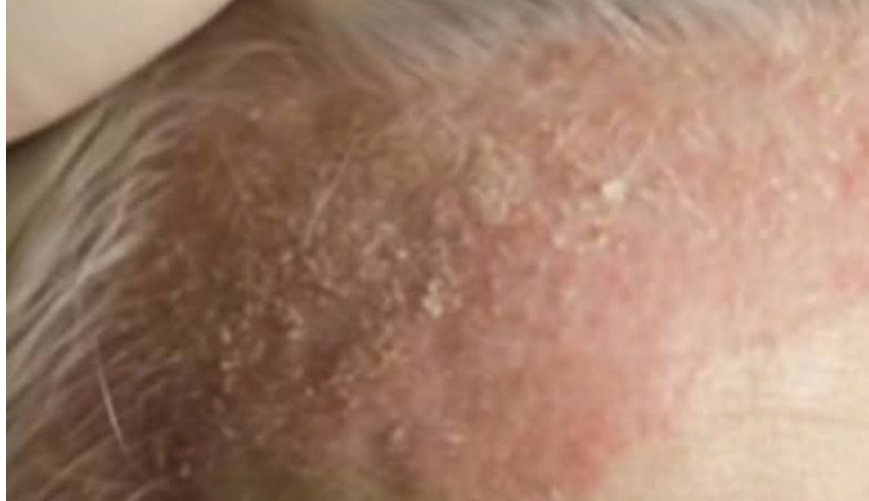
Red, Itchy, and Flaky Scalp During the Holidays: A Simple Survival Guide
The holiday season brings joy—but also stress, travel, late nights, and packed schedules. In the middle of all that chaos, self-care often takes a back seat. It’s no surprise that many people suddenly start dealing with an uncomfortable scalp—redness, itching, and those annoying flakes.
While seeing a doctor is always the safest route, the holidays can make that difficult. Until you can get professional advice, here’s a clear and practical guide to what might be happening—and how you can manage it.
Why Scalp Issues Show Up Out of Nowhere
Even if you’ve never had scalp problems before, the holidays can trigger them.
Cold air outside and dry heat indoors strip moisture from your skin. Add in stress from shopping, travel, and social obligations, and your scalp becomes more sensitive than usual.
Trying new products—like hair dyes or styling sprays for special events—can also irritate your skin. On top of that, changes in sleep, diet, and hormones can make things worse.
Sometimes, it’s not just one cause—it’s everything happening at once.
Seborrheic Dermatitis: A Common Culprit
One of the most frequent causes of a red, flaky scalp is seborrheic dermatitis. It affects about 1 in 20 people and is linked to an overgrowth of a natural yeast on the skin.
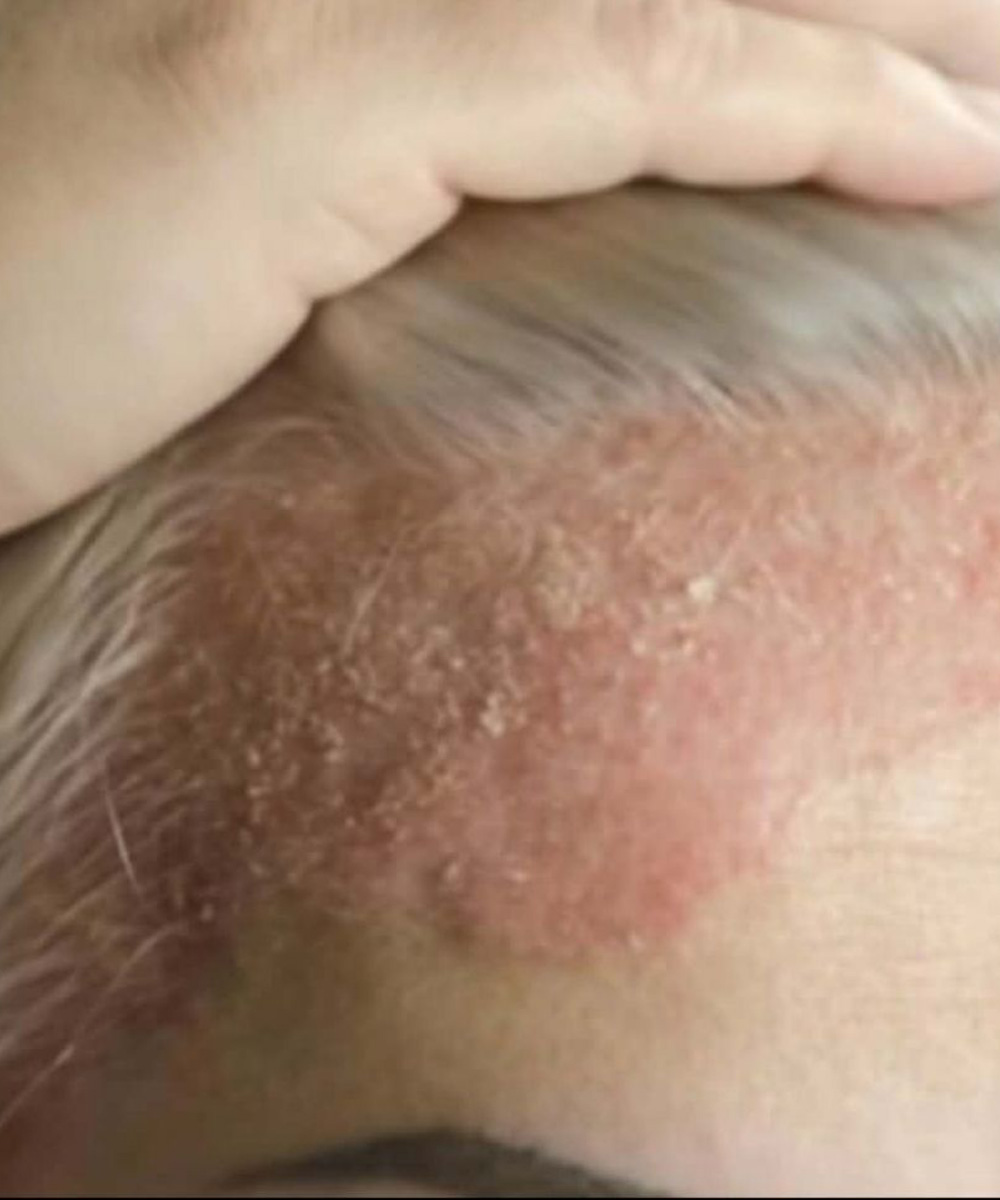
It usually shows up as redness with oily, yellowish or white flakes. While it mainly affects the scalp, it can also appear around the eyebrows, ears, and nose.
Cold weather, stress, and hormonal changes often trigger flare-ups.
Dandruff vs. Something More Serious
Not all flakes are the same.
Basic dandruff is mild—small white flakes without much irritation.
Seborrheic dermatitis, on the other hand, is more intense. It brings redness, itching, and thicker, greasy flakes. In many cases, regular shampoos won’t be enough—you may need medicated treatments.
Could It Be Psoriasis?
Scalp psoriasis can look similar at first, but it has clear differences.
It often creates thick, raised patches with sharp edges and silvery scales. These patches may extend beyond the scalp and appear on elbows, knees, or other areas.
Since psoriasis is linked to the immune system, it usually requires prescription treatment. If symptoms spread or worsen, don’t ignore it.
Eczema on the Scalp
Eczema is another possibility, especially if your skin is sensitive or prone to allergies.
It typically causes dryness, redness, and intense itching—sometimes severe enough to disturb sleep.
Using gentle, fragrance-free products and avoiding triggers can make a big difference.
Fungal Infections (Scalp Ringworm)
Despite the name, scalp ringworm isn’t caused by worms—it’s a fungal infection.
It can lead to red, itchy, scaly patches and even hair loss in some areas. It spreads easily through shared items like hats, combs, or pillows.
The good news? With proper antifungal treatment, it’s usually very treatable.
Reactions to Hair Products
Sometimes the problem is sitting right in your bathroom.
Hair dyes, shampoos, and styling products often contain ingredients that irritate the scalp—like fragrances, sulfates, and preservatives.
If your symptoms started after using something new, stop immediately. Switching to gentle, fragrance-free options can help calm things down.
Stress, Weather, and Hormones
Stress isn’t just mental—it shows up on your skin too.
It can increase inflammation, making itching and flaking worse. Combine that with cold weather and dry air, and your scalp takes a hit.
Hormonal shifts—from pregnancy, menopause, or thyroid issues—can also play a role.
Taking care of your overall health matters more than you might think.
Are Viral “Scalp Hacks” Safe?
Social media is full of DIY remedies, but not all are safe.
Natural ingredients like aloe vera, coconut oil, or diluted apple cider vinegar can help—but only if used correctly.
Overdoing it or mixing harsh treatments can actually make things worse. Always test new remedies on a small area first.
Shampoos That Can Help
Over-the-counter medicated shampoos are often the first line of defense. Look for ingredients like:
- Ketoconazole – targets fungal growth
- Selenium sulfide – reduces flakes and yeast
- Zinc pyrithione – calms irritation
- Coal tar – slows skin cell buildup
- Salicylic acid – helps remove flakes
Be patient—results usually take a few weeks of consistent use.
Simple Home Care That Works
While waiting for professional advice, these habits can help:
- Wash your hair regularly with gentle or medicated shampoo
- Avoid scratching (it can worsen irritation or cause infection)
- Use soothing treatments like aloe vera or diluted tea tree oil
- Stay hydrated and eat nutrient-rich foods
Small changes can make a noticeable difference.
When You Should See a Doctor ASAP
Don’t wait if you notice:
- Pain, swelling, or pus
- Rapidly worsening symptoms
- Sudden or patchy hair loss
These signs may point to infection or a more serious condition that needs immediate care.
Final Thoughts
A red, itchy, flaky scalp can be frustrating—especially during the busiest time of the year. But in many cases, it’s manageable with the right care and attention.
By understanding the possible causes, avoiding triggers, and using gentle treatments, you can keep your scalp under control—even during the holiday chaos.
And when things don’t improve, don’t hesitate to seek professional help. Your comfort—and your health—are worth it.