 By Admin
 Reba McEntire has spent decades captivating audiences with her unmistakable voice, powerful performances, and down-to-earth personality. To many fans, it feels as though she has always been a part of country music. But behind the fame and success is a story rooted in hard work, family, tragedy, determination, and a childhood spent on an Oklahoma ranch.
Reba’s road to becoming the Queen of Country Music was anything but easy.
Born to Ride and Work the Land
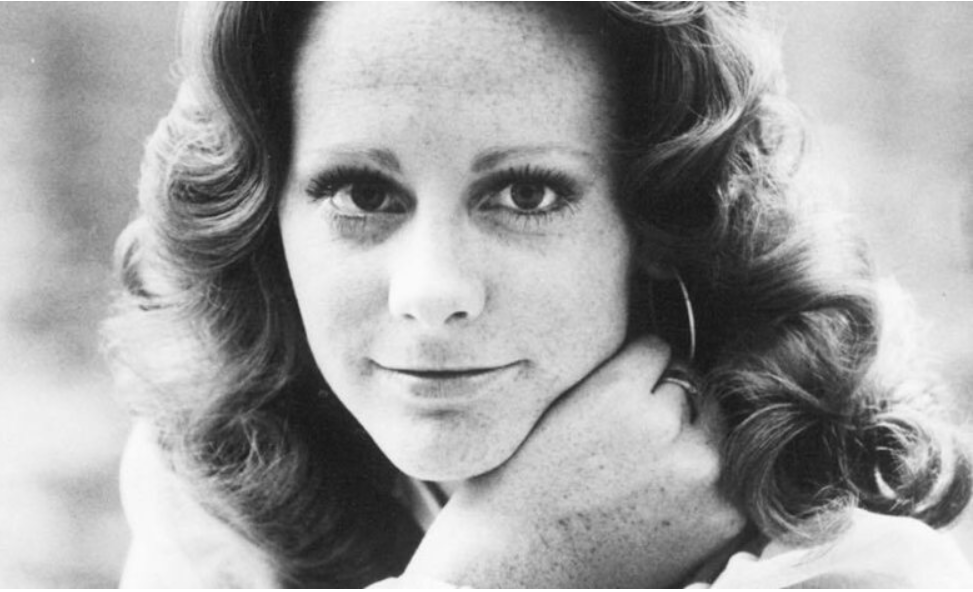
Reba McEntire wasn’t simply born into country music — she was raised in it.
Born in McAlester, Oklahoma, in 1955, Reba grew up on her family’s sprawling 8,000-acre ranch near Chockie in Atoka County. Her childhood revolved around hard work, western traditions, cattle, rodeos, and family.
There was little room for sitting around. Even as a young girl, Reba was expected to contribute.
By the age of five, she was already helping her father drive his truck through the cattle fields. She was too small to reach the pedals, so her father, Clark McEntire, would prop her up with a 50-pound feed sack, put the truck in “granny gear,” and let her steer.
For Reba, it wasn’t some extraordinary childhood adventure. It was simply part of everyday life.
Her family also had deep roots in rodeo. Her grandfather, John Wesley McEntire, was a world-champion steer roper in 1934. Her father followed in his footsteps and won the same title three times.
Her Childhood Wasn’t Glamorous
Although Reba grew up surrounded by land and horses, life on the ranch was far from luxurious.
Her father, Clark, was a traditional, tough-minded man who wasn’t comfortable showing affection through hugs or saying “I love you.” Instead, he expressed his love by setting high expectations and teaching his children the importance of discipline and hard work.
Reba later reflected on that relationship in her autobiography, For My Broken Heart, admitting that she once regretted that her father never told his children he loved them.
Reba and her siblings — Alice, Pake, and Susie — grew up in a modest gray house shared by six family members, with just one bathroom.
As Reba later recalled, they certainly weren’t wealthy. The land was rocky and mountainous, but it provided enough pasture to raise cattle and sustain the family.
Still, there was another part of Reba’s childhood that would ultimately shape her future: music.
Her mother, Jacqueline McEntire, had once dreamed of becoming a country singer herself. Instead, she built a career in education and worked as a public school teacher, librarian, and secretary.
Reba believed her mother had the talent to become a major country star. She once recalled that people said Jacqueline could have been as successful as Patsy Cline if she had been given the opportunity.
She Got Her Big Voice From Her Dad
While Clark McEntire had difficulty expressing affection, Jacqueline was warm, encouraging, and deeply supportive of her children.
Music became one of the strongest bonds in the family.
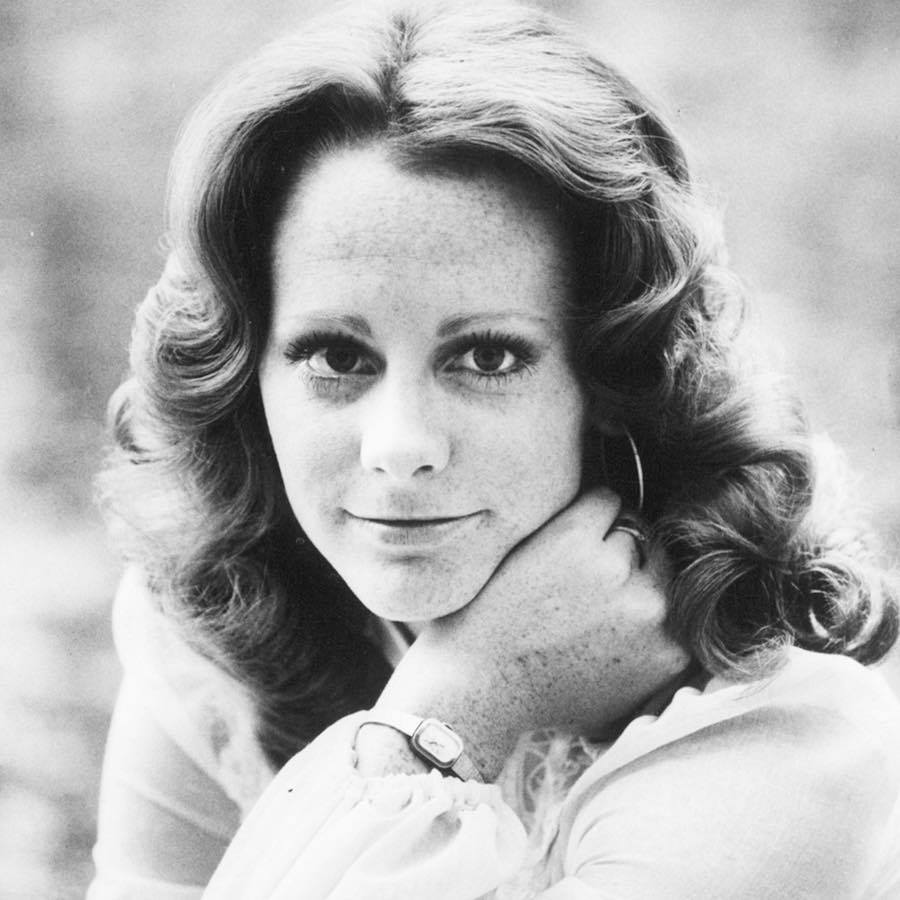
During long drives to Clark’s rodeo events, Jacqueline would teach her children to sing harmony. The backseat of the family car became their own little choir, and those moments helped nurture Reba’s growing love for music.
Reba has always credited her mother with teaching her how to sing and giving her musical foundation.
But when it came to the sheer power of her voice, Reba believed she inherited that from her father.
Growing up on a ranch, Clark often had to shout across the fields to call the cattle. That powerful voice, Reba believed, was passed down to her.
She even joked that she had always been the loudest of the three siblings.
“I’ve always been loud,” she once recalled. Her mother could always hear Reba above her brother Pake and sister Susie when the three children sang together.
A Star in the Making
Reba’s talent became apparent at an early age.
In first grade, the young redheaded singer stood before her classmates at a Christmas pageant and performed “Away in a Manger.” By fifth grade, she had joined the 4-H club and won first place in the Junior Act Division after singing “My Sweet Little Alice Blue Gown.”
At the same time, Reba was living a remarkably active childhood.
She played basketball, ran track, attended basketball camps, and learned to play both piano and guitar. She also developed a passion for rodeo and trained as a barrel racer.
Music, sports, ranch life, and rodeo all became part of the person she would eventually become.
The McEntire Family Band
By the time Reba reached high school, music had become a family affair.
She and her siblings Pake and Susie formed a trio called The Singing McEntires. Their mother was their biggest supporter — and perhaps their most honest critic.
Whenever one of the children sang the wrong part, Jacqueline was quick to notice. Reba later remembered her mother walking into the room with a spatula in hand while she was cooking, pointing out which sibling was singing the wrong harmony before returning to the kitchen.
The siblings soon began performing at local events and attracted attention around their community.
In 1971, they released a regional single called “The Ballad of John McEntire,” honoring their grandfather, the celebrated rodeo champion. Although the record was only distributed locally, it represented an important early step in Reba’s musical journey.
The family act eventually expanded into the Kiowa High School Cowboy Band.
The young performers played dances and even performed in bars in Oklahoma City. Reba later joked about how young they were, remembering that they would sometimes stay out performing until sunrise.
But as the siblings grew older, their paths began to change.
When Pake graduated from high school, the band dissolved.
Reba graduated from Kiowa High School in 1973 and enrolled at Southeastern Oklahoma State University. She studied elementary education with a minor in music while continuing to help with the family ranch.
She was already learning the balance of responsibility and ambition that would define the rest of her life.
The Performance That Changed Everything
In 1974, Reba’s father encouraged her to sing “The Star-Spangled Banner” at the National Finals Rodeo in Oklahoma City.
She was nervous, but she was determined to make the opportunity count. With help from family friend and rodeo announcer Clem McSpadden, Reba secured the performance.
She had no idea that one song would change the direction of her life.
Country music legend Red Steagall happened to be in the audience that night. Reba’s powerful performance immediately caught his attention.
After hearing her sing, Steagall invited Reba and her family to a hotel gathering during the rodeo. There, Reba performed an a cappella version of Dolly Parton’s “Joshua.”
It was a defining moment.
Reba’s mother recognized the opportunity and asked Steagall to help her children pursue careers in music. Steagall gave her an honest answer: he couldn’t take all three, but he believed Reba had something different.
That difference would soon become the foundation of a legendary career.
Her Nashville Journey Had a Rocky Start
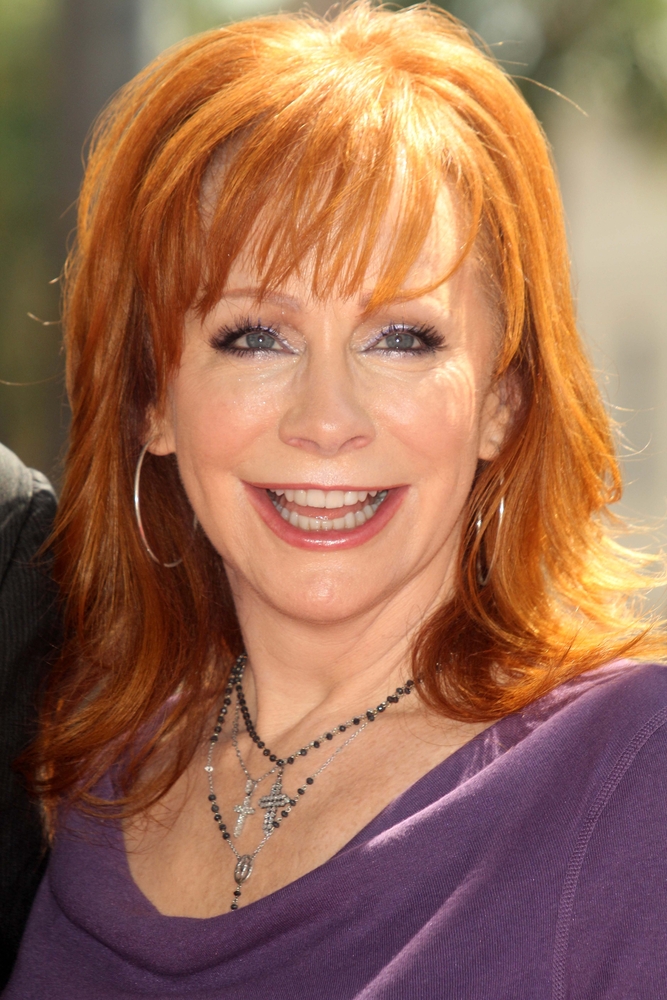
In March 1975, Reba and her mother traveled to Nashville to record a demo tape.
Reba wasn’t immediately eager to leave home. She later admitted that she made excuse after excuse in an attempt to delay the trip.
Eventually, Jacqueline pulled the car over and spoke honestly with her daughter. If Reba truly didn’t want to go to Nashville, they didn’t have to continue.
But then her mother told her that she was living her own dreams through Reba.
Those words stayed with her.
Reba realized that pursuing music wasn’t only about her own ambitions. It was also about honoring the sacrifices her mother had made and the faith she had placed in her daughter.
So they continued to Nashville.
After recording the demo, Reba’s future was still uncertain.
Glenn Keener, a producer for PolyGram/Mercury Records, heard the recording and believed there was something special in her voice. He took the tape to PolyGram’s headquarters in Chicago.
There was just one problem: he was allowed to sign only one female artist.
With two demo tapes in front of him, Keener had a choice to make.
He chose Reba.
From Struggling Singles to Country Superstar
Reba’s early years in Nashville weren’t an overnight success.
Several of her first singles struggled on the charts. But she continued working, recording, performing, and developing her sound.
In 1978, she earned her first Top 20 hit with “I’d Really Love to See You Tonight.”
Her career took a dramatic turn in 1984 when she signed with MCA Records.
Her album My Kind of Country embraced a more traditional country sound and helped establish Reba as one of the genre’s leading voices. The album earned her the title of Female Vocalist of the Year and firmly positioned her among country music’s biggest stars.
By 1986, she had become a household name.
That same year, she won her first Grammy for “Whoever’s in New England,” which reached No. 1 on the country charts.
A Tragedy That Changed Her Forever
Just as Reba’s career was reaching new heights, tragedy struck.
By the late 1980s, her touring schedule had become increasingly demanding. To avoid long bus journeys, she and her band began traveling by private plane.
In March 1991, one of those flights ended in disaster.
A plane crash claimed the lives of eight members of Reba’s band and two pilots.
The loss devastated Reba.
She later dedicated her album For My Broken Heart to those who died, transforming her grief into a deeply personal musical tribute.
Despite the enormous tragedy, Reba continued moving forward.
Throughout the 1990s, her music career remained successful, and she also expanded into acting. She starred in television and continued releasing music, including the hit “I’m a Survivor.”
In 2003, following a few years away from the spotlight, Reba returned with the album Room to Breathe. The record produced the No. 1 hit “Somebody” and was followed by a successful tour.
Her 2007 album Reba: Duets also reached the top of the charts and showcased her ability to work across musical styles with a wide range of artists.
A Heartfelt Tribute to Her Father
In 2014, Reba lost her father, Clark, following complications from a stroke.
His death brought back memories of the complicated but deeply meaningful relationship they shared.
Reba honored him through the music video for “Just Like Them Horses,” a deeply emotional song about loss and grief.
It wasn’t the first time she had paid tribute to her father through music.
In 1979, she wrote “Daddy,” a song inspired by Clark and the cowboy and rodeo life he loved.
Although Reba has often credited her mother with laying the foundation for her musical career, she also recognized how much of her personality came from her father.
She once described herself as having “a lot of daddy” in her — including his drive and determination, along with some of his difficulty communicating.
When Reba Almost Walked Away From Music
After decades of success, Reba faced another deeply painful loss.
Her mother, Jacqueline, died from cancer in March 2020.
The loss affected Reba so profoundly that she briefly questioned whether she wanted to continue performing.
While going through her parents’ belongings with her sister Susie, Reba looked through old photographs and began reflecting on her life and career.
She told her sister that she didn’t think she wanted to sing anymore.
For Reba, music had always been closely connected to her mother.
But Susie reassured her that the feeling would eventually return.
It did.
Reba continued singing, performing, and building on the legacy she and her mother had dreamed about so many years earlier.
Reba Is About Faith, Family, and Culture
Reba has never forgotten the Oklahoma roots that shaped her.
Even after achieving enormous success, she has continued to embrace her family, her heritage, and the community that helped shape her.
In 2023, she returned to her hometown area of Atoka and partnered with the Choctaw Nation to open Reba’s Place, a restaurant and gathering space designed to bring new energy to the community.
The venue celebrates Reba’s music and career while offering Southern comfort food and a place for people to gather.
For Reba, it represents more than another business venture.
It is a way of giving back.
By creating jobs and bringing people together, she has helped contribute to the revitalization of the community that remains close to her heart.
Full Circle
Reba McEntire’s journey came full circle in 2024 when she performed “The Star-Spangled Banner” at Super Bowl LVIII.
It was a particularly meaningful moment because it echoed the performance that had launched her journey decades earlier.
Back in 1974, her father had encouraged her to sing the national anthem at the National Finals Rodeo in Oklahoma City.
Fifty years later, she stood on one of the biggest stages in the world and performed that same song for millions of people.
From a young girl steering a truck across her family’s ranch to one of country music’s most recognizable stars, Reba’s story is a remarkable testament to talent, perseverance, family, and hard work.
Her journey has included incredible success, heartbreaking loss, and moments when she nearly walked away from the career she built.
Yet through it all, the lessons she learned growing up on that Oklahoma ranch never left her.
Reba McEntire has achieved 24 No. 1 hits, sold more than 90 million albums, and collected an extraordinary number of awards throughout her career.
But perhaps her greatest achievement is that, despite all the fame and success, she has never forgotten where she came from.
From the ranch to Nashville, from small-town rodeos to the Super Bowl stage, Reba’s life has truly come full circle.
Her story is proof that humble beginnings do not have to limit how far a person can go.