Dolly Parton’s Unexpected Song Leaves Stephen Colbert in Tears
Dolly Parton needed just a few heartfelt lines from a traditional folk song to bring Stephen Colbert to tears. What began as a casual conversation about her childhood quickly turned into one of the most emotional moments of her appearance on late-night television.
During her October 20, 2020, visit to The Late Show with Stephen Colbert, the 74-year-old country music superstar was talking about the songs she remembered hearing from her mother, Avie Lee Parton. As she reflected on those early musical memories, Dolly suddenly began singing the old ballad Bury Me Beneath the Willow.
There was no elaborate arrangement or musical accompaniment. Parton simply sang the traditional song a cappella, sharing a melody connected to her childhood and a story filled with heartbreak. The ballad tells of a young woman whose fiancé abandons her before their wedding.
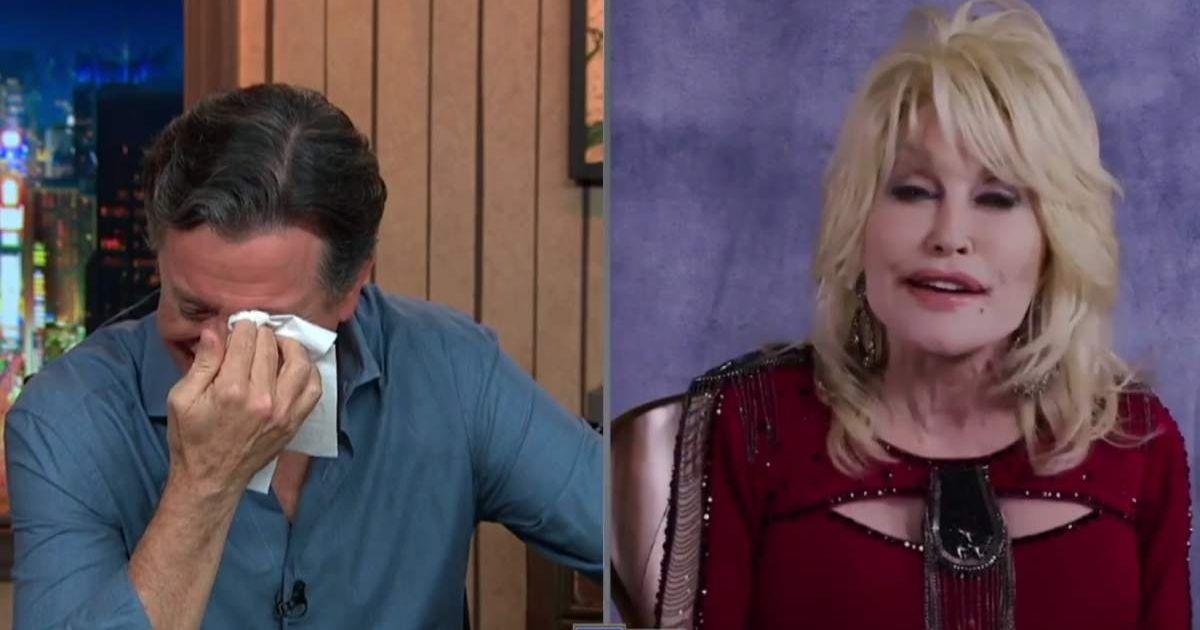
As Dolly continued singing, Colbert listened in silence. Before long, the host removed his glasses and reached for a tissue, visibly struggling to hold back his tears.
A Song That Took Dolly Back to Her Childhood
During the conversation, Parton explained that Bury Me Beneath the Willow was among the many traditional songs her mother used to sing at home.
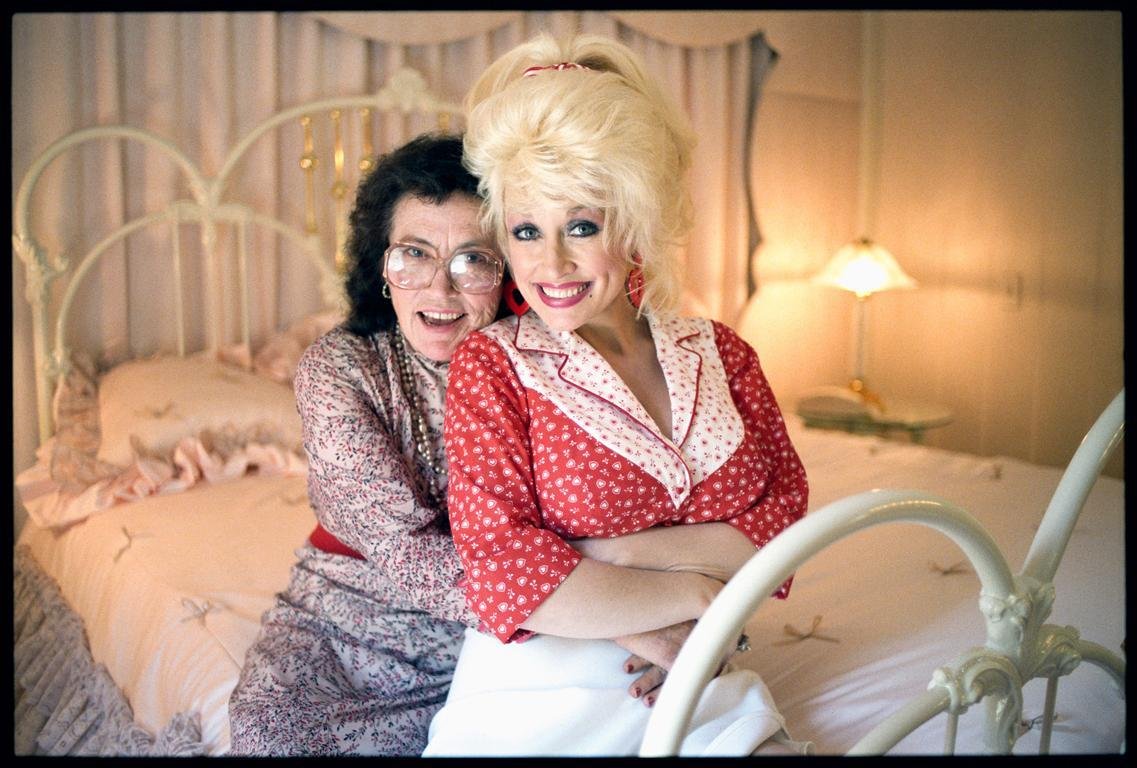
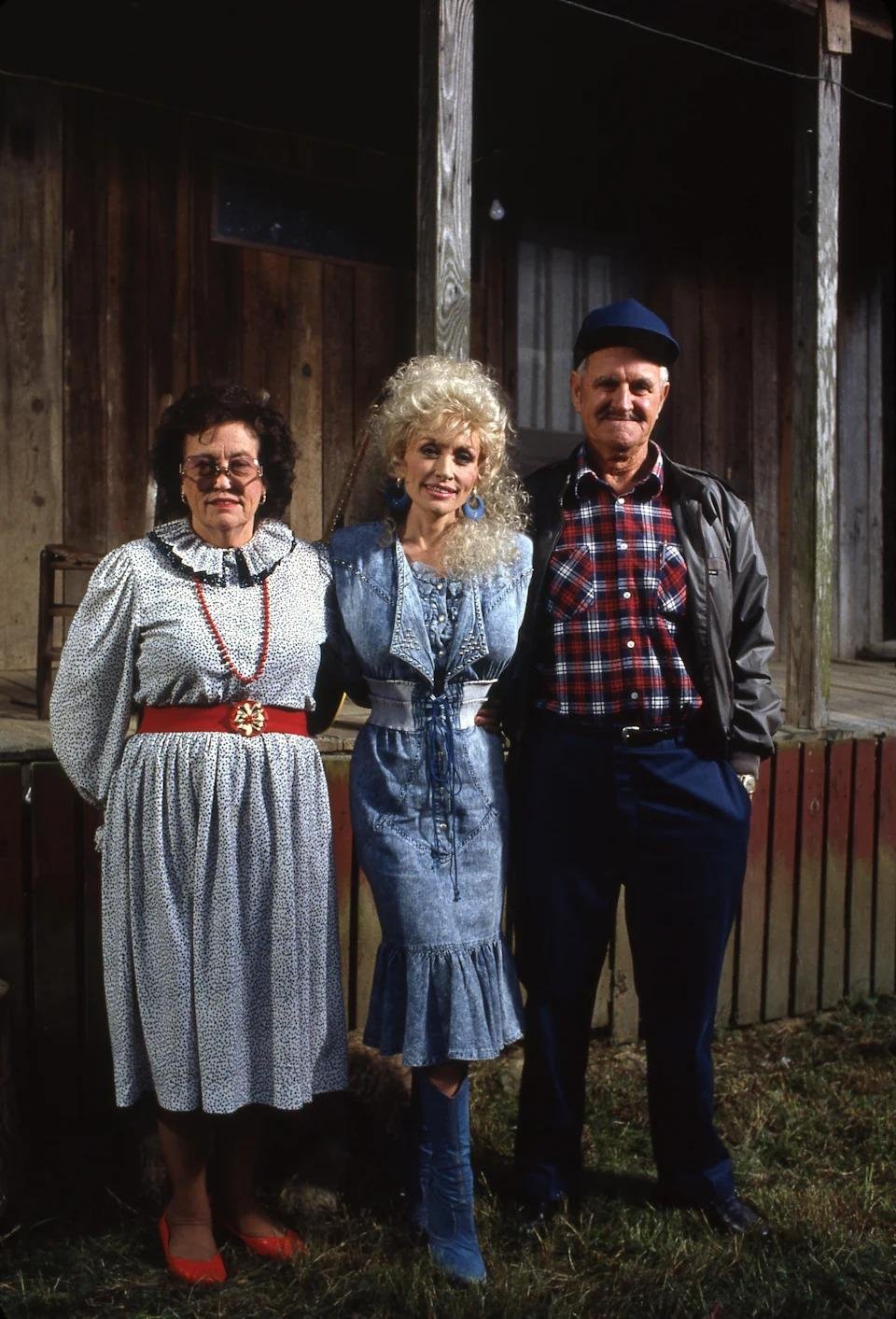
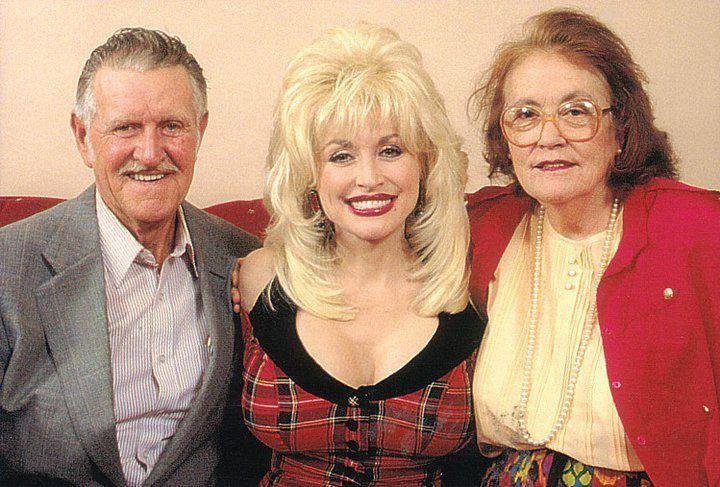
Avie Lee Parton raised 12 children with Dolly’s father, Robert, in rural Tennessee. She passed away in 2003 at the age of 80, but her love of music remained an important part of Dolly’s life and memories.
Dolly often spoke fondly of her mother’s singing, remembering how she could perform beautifully without any instruments.
“Mama was a good singer too,” Parton recalled. She explained that her mother frequently sang a cappella and had a repertoire of traditional songs that were often deeply sorrowful. Some, Dolly remembered, were downright “plum pitiful.”
One of those songs was Bury Me Beneath the Willow. Its story follows a young woman whose sweetheart leaves her at the altar. In the version Parton remembered, the heartbroken woman eventually dies and asks to be buried beneath a willow tree, hoping the man who abandoned her might discover her resting place and feel remorse.
As she recalled the song, Dolly decided to demonstrate it for Colbert. She began singing a few lines, allowing the old melody to speak for itself.
Partway through the performance, she noticed that her host was becoming emotional. She briefly stopped to ask if he was crying before continuing with the song.
‘I Better Hush’
By the time Dolly finished her short performance, Colbert was visibly moved.
With his glasses removed and tears gathering in his eyes, the television host tried to regain his composure. Parton responded in her familiar playful manner, bringing a little humor to an otherwise deeply emotional moment.
“I better hush before you cry yourself to death and you can’t finish this show,” she joked.
Colbert laughed as he wiped his eyes. He explained that he had been experiencing considerable stress, something many Americans were dealing with at the time. He later described Dolly’s performance as beautiful, saying she had touched an emotional “tripwire.”
Parton understood why the song had affected him so strongly. She explained that these same traditional melodies had brought her and her siblings to tears when their mother sang them during their childhood.
“Mama would cry. We’d cry,” she remembered.
For Dolly, the moment was about much more than a song making someone emotional. It was an opportunity to share a deeply personal part of her upbringing and the memories of the woman who helped nurture her love of music.
The exchange brought together several generations through a traditional ballad, demonstrating how a simple melody can carry powerful memories of family, childhood, and loss.
How Avie Lee Parton Shaped Dolly’s Life and Music
Dolly Parton has spoken on numerous occasions about the profound influence her mother had on her creativity, independence, and outlook on life.
In a 1970s interview with Family Circle, Parton discussed her mother’s upbringing as the daughter of a Fundamentalist preacher. She described the strict expectations Avie Lee had faced growing up, including rules that prevented women in the family from dancing or wearing brightly colored clothing. They were also expected to keep their hair long.
Avie Lee married Robert Parton when she was just 15 years old, while he was 17. According to Dolly’s recollections, one of her mother’s first acts after getting married was to cut her hair.
Because Avie Lee began raising her family at such a young age, Dolly felt that her mother grew up alongside her children in many ways. As she discovered more about herself and developed her own identity, she also encouraged her children to explore their individuality.
Life in the Parton household was not always easy. Dolly has often recalled the challenges her family faced while growing up in rural Tennessee. Despite their limited resources, however, she remembered her mother as someone who could make ordinary life feel special.
Avie Lee encouraged her children’s imaginations and made music an important part of their home. Her singing and storytelling helped shape Dolly’s understanding of music and its ability to express feelings that ordinary conversation sometimes cannot.
That influence remained with Parton throughout her career. Even decades later, she continued to remember the traditional songs her mother had sung, along with the emotions and family memories attached to them.
The Story Behind ‘Bury Me Beneath the Willow’
Bury Me Beneath the Willow is a traditional American folk song first recorded in 1927. Over time, it became closely associated with bluegrass and traditional music, with artists such as the Carter Family, Almeda Riddle, and the Stanley Brothers performing versions of the song.
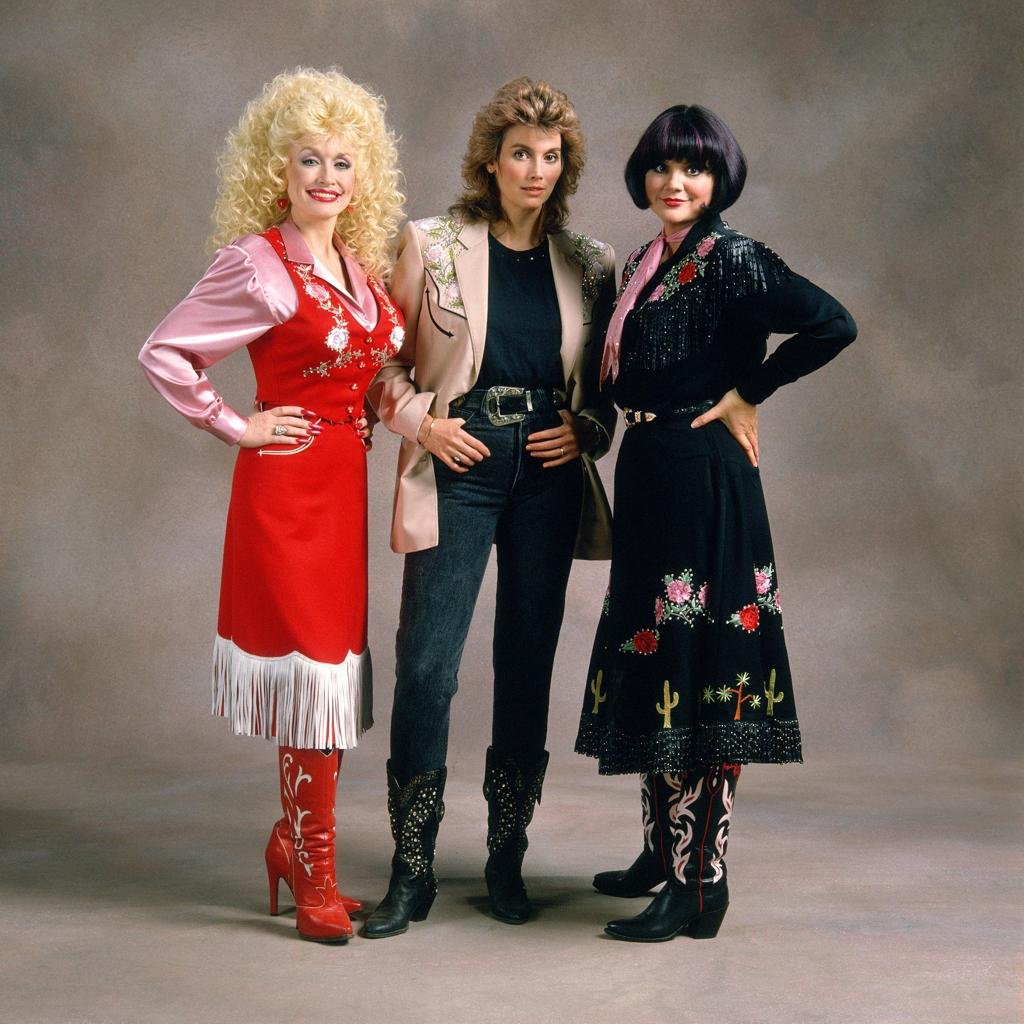
Its sorrowful story clearly left a lasting impression on Dolly during her childhood. Years later, she performed the song on her own ABC variety show in the 1970s, joining Linda Ronstadt and Emmylou Harris as part of a trio.
When she sang it again during her conversation with Colbert decades later, the setting was very different. Instead of a formal musical performance, the song emerged naturally from a discussion about her upbringing and the music her mother loved.
Although the rendition was brief, its emotional impact was immediate. Colbert’s reaction gave Parton an opportunity to explain why these old melodies had remained so meaningful to her and her family.
The moment also highlighted the enduring power of traditional folk music. A song passed down through generations can carry personal histories and emotions that remain just as powerful years later.
For Dolly, Bury Me Beneath the Willow was more than an old ballad. It was a reminder of her mother, the family home in Tennessee, and the childhood experiences that helped shape the person and artist she would become.
Promoting Songteller
Parton appeared on The Late Show with Stephen Colbert while promoting her forthcoming book, Dolly Parton, Songteller: My Life in Lyrics, which was scheduled to be released on November 17, 2020.
Co-written with Robert K. Oermann, the book explores Dolly’s remarkable songwriting career and the stories behind more than 175 of her songs. It brings together lyrics, personal recollections, and reflections on the experiences that influenced her music.
That made her conversation with Colbert especially fitting. What began as a discussion about songwriting soon became a heartfelt recollection of the melodies Dolly had grown up hearing at home.
When she began singing Bury Me Beneath the Willow, the story behind the song became just as important as the melody itself. It brought back memories of Avie Lee, the family’s life in rural Tennessee, and the old songs that had once moved Dolly and her siblings to tears.
For a few quiet moments on late-night television, Dolly revisited a piece of her childhood and shared it with millions of viewers. The song had the same emotional power she remembered from years earlier, proving that music can preserve the feelings and memories that connect us to the people we love.
And this time, it was Stephen Colbert who found himself wiping away tears.
Dolly Parton’s Rise Came With a Painful Price — The ‘Awfully Hurtful’ Family Decision That Could Change Everything
Dolly Parton’s extraordinary rise to fame came with difficult choices, personal sacrifices, and moments that tested her family relationships. Behind her success was a life shaped not only by ambition and talent but also by decisions that could carry a painful emotional cost.
A Harlan Coben Thriller Is Winning Over Netflix Viewers
A Harlan Coben mystery that initially flew under the radar is now attracting viewers on Netflix, with one particular episode generating plenty of discussion.
Caught follows a journalist investigating the disappearance of a 16-year-old girl. As she digs deeper into the case, the investigation leads her toward increasingly disturbing discoveries.
The six-part thriller has drawn attention for its unexpected twists, compelling performances, and suspenseful storytelling. Viewers have described being drawn from one episode to the next as the mystery unfolds.
However, Episode 4 appears to be a turning point in the series, delivering developments that many viewers say they did not anticipate.
Related Posts



About The Author