 By Admin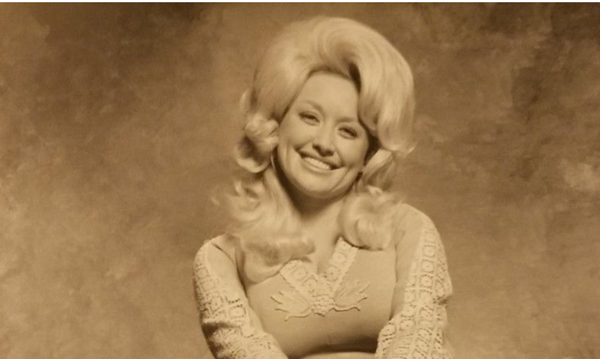
Some goodbyes are painful, but the most meaningful ones remind us that love can remain even when two people must follow different paths.
There are songs we enjoy for a few minutes, and then there are songs that seem to understand feelings we have never been able to explain.
Dolly Parton’s “I Will Always Love You” belongs to the second category.
For decades, this unforgettable ballad has accompanied weddings, farewells, quiet moments of reflection, and memories of people who once meant everything to us. Its melody is familiar to generations of listeners, yet the story behind its creation is more surprising than many people realize.
It wasn’t originally written for a romantic partner.
Instead, it came from a difficult turning point in Dolly’s professional life, when she needed to say goodbye to someone who had played an important role in her journey.
And that is what makes the story so powerful.
A Difficult Decision That Inspired an Extraordinary Song
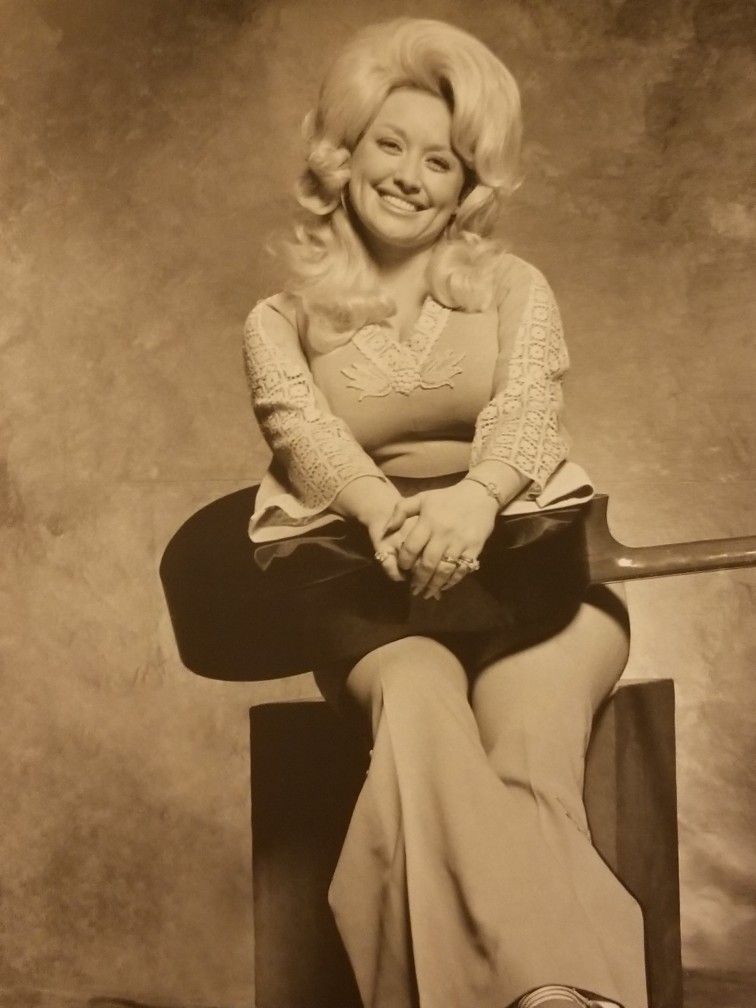
In the late 1960s, Dolly Parton was building her career in country music. She joined Porter Wagoner’s television program in 1967, becoming part of a partnership that introduced her to a much wider audience.
Wagoner helped establish her presence in the industry, and their musical collaboration became an important chapter in her early career.
But as Dolly’s songwriting abilities and ambitions grew, she began to feel ready for something different.
She wanted to explore her own musical identity and build a successful solo career.
Making that decision was not simple. She appreciated the opportunities she had received, but she also understood that remaining in the same professional arrangement could limit her future.
The situation created tension between the two performers.
Dolly needed to communicate that she was grateful for everything they had accomplished together while making it clear that she had to move forward independently.
Rather than expressing those complicated feelings through another difficult conversation, she did what she knew best.
She wrote a song.
A Goodbye That Was Also a Thank-You
Dolly created “I Will Always Love You” as a personal farewell to Wagoner and the professional partnership they had shared.
The song expressed appreciation for the past while acknowledging the need for change. It wasn’t an attempt to deny their disagreements or pretend that leaving would be easy.
It was a way of saying that a relationship can matter deeply, even when its original purpose has reached its end.
According to Dolly’s own account, she performed the song for Wagoner to help him understand her decision. The emotional response helped communicate what she had struggled to explain.
The song eventually became one of her signature recordings, reaching the top of the country charts in 1974.
What began as a deeply personal message would go on to reach people who had never heard of the professional disagreement that inspired it.
Why the Song Means So Much to So Many People
One reason the ballad has endured is that its emotional meaning is not limited to a single kind of relationship.
Everyone experiences change.
Sometimes a marriage ends, even though affection remains. Sometimes a close friend moves away. Children grow up and build lives of their own. Families experience disagreements, and people who once shared every day eventually find themselves living in different places.
These experiences can leave us with two feelings at once: sadness about what is ending and gratitude for what once existed.
Dolly’s song captures that complicated emotional territory.
It reminds us that letting go doesn’t always mean rejecting someone. Sometimes, it means accepting that the next chapter must look different from the last.
For someone facing a difficult farewell, that idea can be deeply comforting.
It allows room for sadness without demanding bitterness. It recognizes that a relationship can change without making every shared memory meaningless.
And it offers a gentler way to think about endings.
How Whitney Houston Introduced the Song to a New Generation
Nearly two decades after Dolly’s original recording, another artist transformed the song’s place in popular culture.
In 1992, Whitney Houston recorded her version for the film The Bodyguard, starring alongside Kevin Costner.
Houston’s interpretation gave the composition a different musical scale, building from a restrained opening into a dramatic, powerful vocal performance.
The recording became an international sensation and spent 14 weeks at number one on the American Billboard Hot 100. It also introduced countless listeners to a song that Dolly had written years earlier.
The success of Houston’s version demonstrated something remarkable about songwriting: a composition can be interpreted in different ways while retaining the emotional idea at its center.
Dolly’s country recording and Whitney’s powerful pop ballad have distinct musical personalities. Yet both communicate the tenderness and sadness of saying goodbye while wishing another person well.
Their versions became connected through a shared message that transcended musical genres.
And the story came full circle: a song born from one woman’s determination to pursue her own future became an international symbol of lasting affection.
The Woman Behind the Music
Dolly Parton’s songwriting talent has always extended beyond catchy melodies and memorable performances.
Her work often draws on recognizable human experiences: family, childhood, ambition, heartbreak, hope, and the complicated choices that shape a life.
Part of her gift is her ability to express difficult emotions in language that feels accessible without making those emotions seem simple.
She understands that people rarely experience life in neat categories. Gratitude can exist alongside disappointment. Independence can require sacrifice. Love can remain even when a relationship changes.
These contradictions give her music its emotional depth.
Her career also illustrates the importance of believing in one’s own abilities. Leaving an established partnership meant accepting uncertainty, but she continued to pursue the creative independence she wanted.
The decision helped shape the career of one of country music’s most recognizable singer-songwriters.
What This Song Teaches Us About Letting Go
Perhaps the most meaningful lesson in this story has little to do with the music industry.
It is about the relationships we carry with us.
We sometimes believe that a relationship must last forever to have been worthwhile. We may feel that moving forward means forgetting the people who helped us along the way.
But life is more complicated than that.
A teacher can change our direction without remaining part of our daily lives. A friendship can be precious even after distance separates us. A relationship can end while the lessons and memories remain important.
Not every goodbye is a failure.
Some endings are necessary because people grow, circumstances change, or their futures begin to lead in different directions.
That doesn’t erase what came before.
It simply means that we must learn to carry our memories without allowing them to prevent us from living.
Dolly Parton’s story is a reminder that gratitude and independence do not have to be enemies. We can appreciate what someone has given us while still choosing a different path.
And sometimes, the kindest farewell is one that acknowledges both truths.
A Musical Legacy That Continues to Connect Generations
More than fifty years after Dolly first released the song, its central idea continues to resonate with listeners.
Some hear it as a romantic ballad. Others connect it to family, friendship, grief, or a moment when they had to say goodbye to someone important.
The meaning changes with the listener’s own experiences.
For one person, it may recall a first love. For another, it may bring back memories of a parent. Someone else may hear it and remember the difficult decision to leave a familiar life behind.
That flexibility is part of the song’s lasting appeal.
It doesn’t require every listener to share the same story. It gives people a way to reflect on their own experiences and feelings.
And perhaps that is one of the greatest things music can do: help us recognize emotions we thought we were carrying alone.
The Beautiful Truth Behind a Difficult Goodbye
Dolly Parton didn’t set out to write a song that would become meaningful to millions of people across the world.
She was trying to express a personal truth during a challenging period in her career.
Yet that honest expression became something much larger.
Her story reminds us that the end of one chapter doesn’t erase its value. The people who help us grow can remain important to us even after our paths separate.
We can be thankful for the past without being required to stay in it.
We can wish someone happiness while pursuing our own dreams.
And we can say goodbye without pretending that the relationship never mattered.
Perhaps that is why this remarkable song continues to touch so many hearts. Beneath its familiar melody is a message about dignity, gratitude, and the courage to move forward.
Because sometimes, loving someone means appreciating the road you shared—even when you know it is time to take a different one. ❤️
What does this song mean to you?
Have you ever had to say goodbye to someone who changed your life? Does this song remind you of a person, a memory, or a difficult chapter you finally found the strength to leave behind?
Share your thoughts in the comments. Your experience might be exactly what someone else needs to hear today.