 By Admin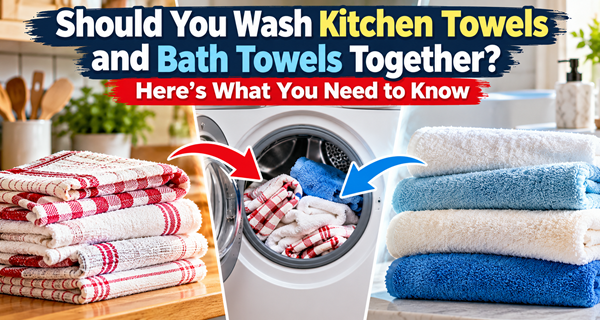
Doing laundry is part of everyday life, but one common question can leave people wondering whether they’re cleaning their towels properly: Is it safe to wash kitchen towels and bath towels in the same load?
The answer depends on how the towels have been used, how dirty they are, and how thoroughly they can be washed. Although combining them may save time, separating certain items is a smart way to maintain better hygiene.
Why Kitchen Towels and Bath Towels Are Different
Kitchen towels and bath towels may look similar, but they often collect different kinds of dirt.
Bath towels absorb water, sweat, and natural body oils. If they remain damp for too long, they can develop unpleasant odors and provide conditions in which microorganisms thrive.
Kitchen towels face a different set of challenges. They may collect food particles, cooking grease, spills, and bacteria from food preparation. Towels used to wipe up raw meat or poultry juices deserve particular attention because these can contain harmful bacteria.
When heavily soiled towels are washed together with items used on clean skin, there is a potential for contamination to spread. A normal wash can remove much of the dirt and many microorganisms, but the results depend on the water temperature, detergent, cycle, and level of soiling.
When Can You Wash Them Together?
Combining kitchen and bath towels may be reasonable when the kitchen towels have only been used for light tasks, such as drying clean hands or dishes, and neither group is heavily soiled.
Before putting everything into one load, consider these factors:
- How the towels were used: Cloths exposed to raw meat juices, heavy grease, or significant food spills should be washed separately.
- Water temperature: Choose the warmest setting permitted by the care labels, particularly for heavily used towels.
- Fabric and color: Separate items that require different wash settings or could release dye.
- Load size: Leave enough room for the towels to move freely so the detergent and water can circulate effectively.
When in doubt, washing kitchen towels separately is the simpler, more cautious choice.
The Kitchen Towels That Should Stay Separate
Some kitchen cloths should not be tossed casually into a mixed towel load.
Towels used around raw meat or poultry: These can pick up harmful bacteria from food juices. Keep them separate from bath towels and wash them promptly using an appropriate detergent and the hottest fabric-safe setting.
Greasy dishcloths: Towels used to wipe cooking oil, bacon grease, or dirty stovetops may need a separate wash to remove residue and lingering odors.
Cloths used for general cleaning: Towels used to clean floors, bins, or particularly dirty surfaces are best kept apart from towels used on your body.
Separating these items helps prevent unwanted residue from spreading and makes it easier to select the right wash cycle for each load.
How to Get Towels Properly Clean
You don’t need an elaborate laundry routine to keep your towels fresh. A few simple habits can make a meaningful difference.
1. Shake out and sort your towels.
Remove loose debris and separate heavily soiled kitchen cloths from everyday towels. Sort by color and fabric-care requirements as well.
2. Use an appropriate detergent.
Follow the detergent label and the washing machine’s instructions. Avoid using more detergent than recommended, since excess residue can build up in fabric.
3. Choose the right cycle.
Use the warmest water temperature allowed by the care labels. For towels exposed to potentially harmful contamination, follow appropriate laundry hygiene guidance rather than assuming a cool, quick cycle will be sufficient.
4. Avoid overloading the washing machine.
A packed drum can prevent towels from moving and rinsing effectively. Wash large bath towels and lightweight kitchen cloths in separate loads when their different thicknesses make balanced washing or drying difficult.
5. Dry every towel completely.
Move clean towels promptly to the dryer or hang them somewhere with good airflow. Make sure they are completely dry before folding and storing them. Damp towels can quickly develop musty smells.
How Often Should You Wash Your Towels?
The ideal frequency depends on how often you use each towel and whether it becomes wet or dirty.
- Kitchen towels: Replace daily or sooner if they become wet, stained, or contaminated with food.
- Bath towels: Wash after a few uses, provided they dry thoroughly between uses and aren’t visibly dirty or smelly.
- Cleaning cloths: Wash promptly after heavy-duty cleaning or exposure to potentially contaminated surfaces.
If someone in your household is ill, take extra care with shared towels and follow appropriate hygiene guidance.
The Bottom Line
You don’t necessarily have to wash every kitchen towel and bath towel separately. Lightly used kitchen towels may be suitable for a shared load when the fabrics, colors, and washing requirements match.
However, towels contaminated with raw food juices, heavy grease, or household dirt should be washed separately. Use a suitable detergent, follow care labels, and make sure every towel dries completely.
The smartest laundry habit isn’t simply sorting towels by room—it’s sorting them by what they’ve been exposed to. A little extra attention can help keep your towels cleaner, fresher, and ready for their next use.