 By Admin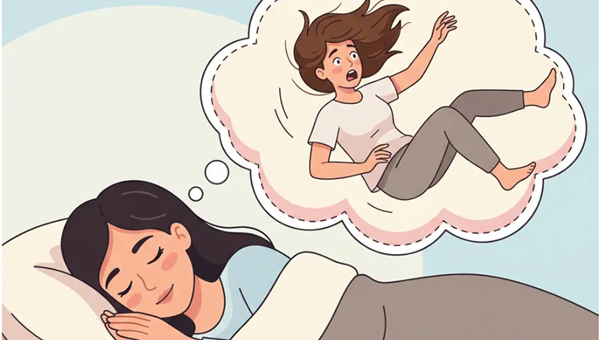
That Sudden Falling Sensation That Jolts You Awake at Night: What’s Really Happening in Your Brain?
You’re drifting off to sleep when suddenly, an odd feeling of emptiness yanks you out of your drowsiness. This experience, as unsettling as it is common, raises a lot of questions. Here’s why your body seems to play tricks on you and what’s actually behind these nighttime jolts.
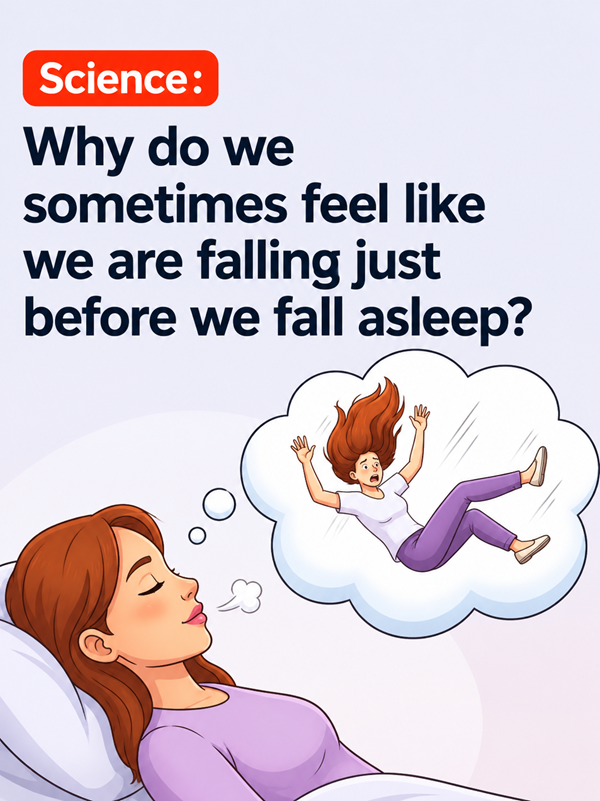
You’re right on the edge of falling asleep when, out of nowhere, a jolt shakes you, like you’re dropping into a bottomless pit. Don’t worry, you’re far from alone in this strange experience. This phenomenon, much more widespread than most people realize, intrigues and sometimes alarms. But where does it actually come from? Should you be concerned? Let’s dig into these sleep mysteries.
Hypnic Jerks: A More Common Phenomenon Than You’d Think
These nighttime jolts, known to specialists as “hypnic jerks,” are sudden, involuntary muscle contractions that happen right at the moment you’re drifting off. They’re often paired with a sensation of falling or a quick, unsettling flash of a dream.
What does it actually feel like?
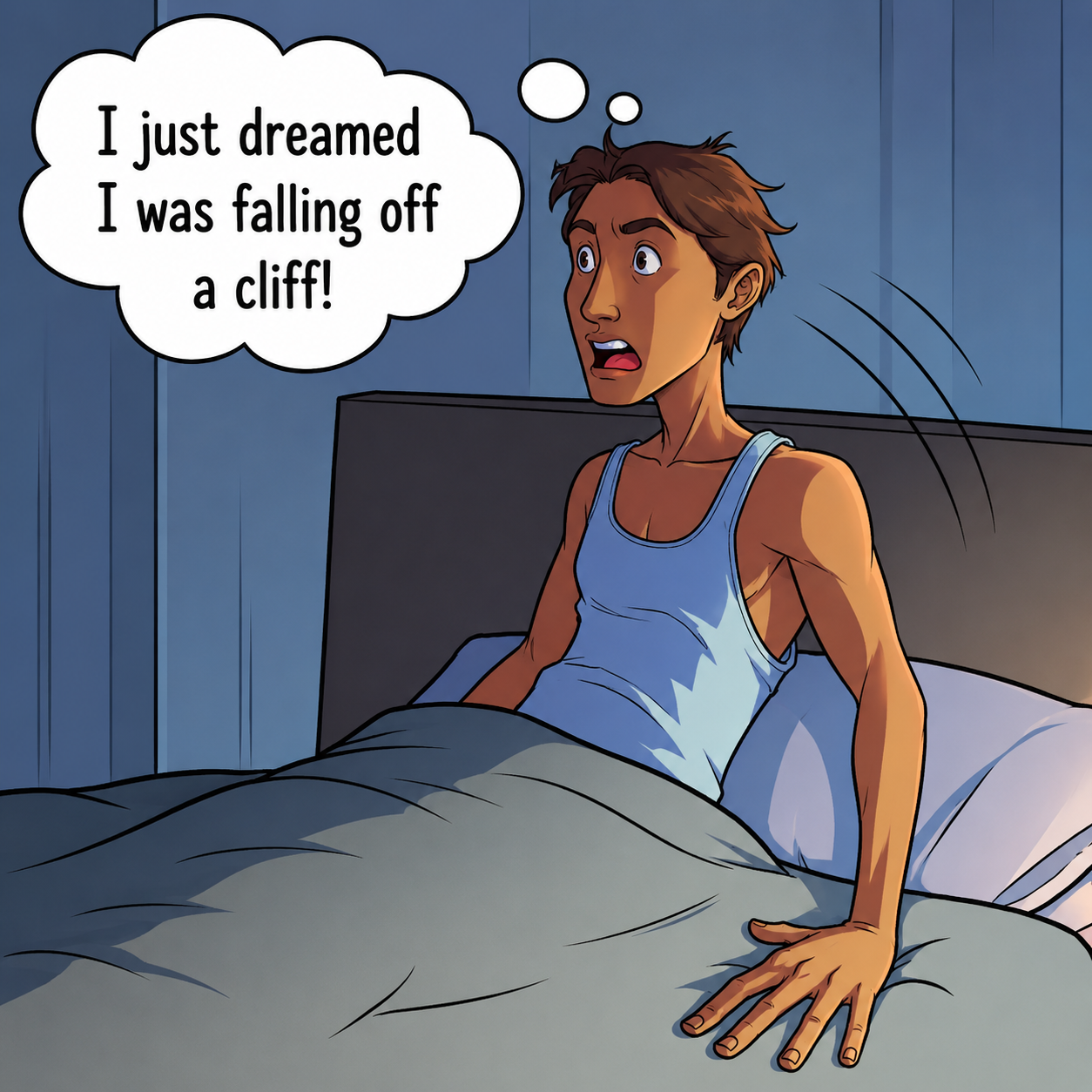
A sudden spasm that jolts you awake. A feeling of plunging off a building, tumbling down stairs, or falling out of bed. Sometimes a brief auditory or visual hallucination tags along with the experience.
Fun fact: hiccups are actually a type of myoclonic jerk too, just like these hypnic jerks!
Why Do These Spasms Happen?
Researchers haven’t fully cracked the mystery behind these jerks, but a few theories help explain where they come from.
A Brain in Transition
As you fall asleep, your body naturally relaxes. But sometimes the brain misreads that sudden relaxation as a danger signal. It sends a nerve impulse to the muscles, and that triggers the jolt.
A Survival Reflex Inherited From Our Ancestors?
One evolutionary theory suggests these jerks are a leftover from ancestors who slept in trees. The brain would essentially test our reflexes to keep us from falling.
Factors That Can Make These Spasms Worse
A few things can make these nighttime jolts more likely:
Stress and anxiety: an overactive mind keeps sending signals to the body, even at rest. Caffeine and stimulants: they delay sleep onset and keep muscles more on edge. Late exercise: it keeps muscles alert and makes it harder to fully relax. Sleep deprivation: a sleep debt makes the transition into sleep rougher and more restless.
Should You Be Worried?
Good news: these spasms are harmless and affect 60 to 70% of people, regardless of age or gender. They aren’t considered a sleep disorder.

When Should You See a Doctor?
If these jolts happen often and keep you from sleeping. If other symptoms show up (cramps, pain, chronic fatigue). If you experience a feeling of paralysis or repeated hallucinations.
How to Calm These Nighttime Jolts
Build a calming routine: relaxation, meditation, reading. Avoid caffeine and screens before bed. Stick to a regular, sufficient sleep schedule. Exercise during the day, but skip intense workouts in the evening.
What about you, have you ever felt that strange falling sensation while drifting off to sleep? Feel free to share your experience!