 By Admin
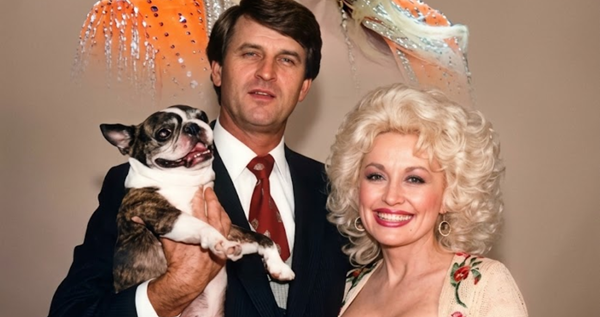
Long before “Jolene” became one of the most recognizable songs in country music, it began with something deeply personal: Dolly Parton’s fear of losing the man she loved. Behind the unforgettable melody was a young wife who felt threatened by another woman’s beauty and attention. Instead of hiding her insecurity or confronting her rival with anger, Dolly transformed those feelings into a song that would eventually become a worldwide phenomenon.
When the legendary country singer released “Jolene” in 1973, she introduced audiences to something different from the usual country heartbreak story. Rather than portraying herself as a powerful woman warning another woman to stay away, she revealed her vulnerability. Through the song, she practically pleaded with a beautiful red-haired woman not to take her husband, admitting that she couldn’t compete with the other woman’s appearance.
The inspiration came from an uncomfortable experience during the early years of Dolly’s marriage to Carl Thomas Dean. A local bank teller with striking auburn hair had apparently developed an interest in Carl. Although he was simply visiting the bank, Dolly noticed the attention the young woman was giving him. It was enough to stir feelings of jealousy and insecurity in the singer.
Carl was famously private and preferred staying away from the entertainment industry. Dolly, meanwhile, was building her career and spending much of her time performing and traveling. The thought of another woman becoming interested in her husband clearly affected her.
Rather than allowing those emotions to remain an unpleasant memory, Dolly found a creative way to express them. She took her fears, mixed them with her extraordinary songwriting talent, and created a song that millions of people would eventually recognize.
But there was another fascinating detail behind the song’s title.
The name “Jolene” reportedly came from a completely different encounter. Years earlier, while performing on tour, Dolly met a young red-haired girl who approached her for an autograph. When the child introduced herself as Jolene, Dolly was immediately captivated by the name.
She thought it was beautiful, memorable, and almost musical. She even told the young girl that she loved her name and would someday write a song about her.
Years later, when Dolly needed a name for the woman who had inspired her feelings of jealousy, that childhood encounter came back to her. She combined the unforgettable name with the emotional experience involving the bank teller.
The result was “Jolene.”
What made the song so extraordinary was its honesty. Dolly didn’t portray herself as someone who had everything under control. Instead, she allowed listeners to hear the insecurity of a woman who was afraid of losing someone she deeply loved.
And that honesty helped make the song timeless.
Interestingly, Dolly’s relationship with the song changed as the years passed. What had once been a deeply personal expression of jealousy eventually became one of the funniest and most entertaining moments in her live performances.
During concerts, she has often joked about the mysterious red-haired bank teller, making audiences laugh with stories about Carl and the effort required to keep his attention. Her humor transformed an uncomfortable memory into something she could share joyfully with millions of fans.
Instead of allowing jealousy to define her, Dolly turned it into part of her legendary personality.
And then there was Carl.
Despite spending decades married to one of the most recognizable women in the world, Carl Dean remained remarkably private. He rarely appeared at public events and preferred a quiet life away from the cameras, fame, and celebrity attention.
Their long marriage became a powerful reminder that the fear behind a love song doesn’t necessarily predict how a relationship will end.
Dolly’s early worries never became the reality she had imagined. The man who inspired her most famous song remained her husband through the years, and their relationship became one of the most talked-about love stories in country music.
Today, “Jolene” is remembered as much more than a song about a beautiful woman and a jealous wife. It is a reminder that some of the greatest creative achievements can come from the most vulnerable moments in our lives.
Dolly Parton took a feeling many people would rather hide and turned it into a musical masterpiece.
What began as a private fear became a song loved across generations—and perhaps that’s the most remarkable part of the story.
Sometimes, the songs that touch millions of hearts begin with the feelings we are most afraid to admit.